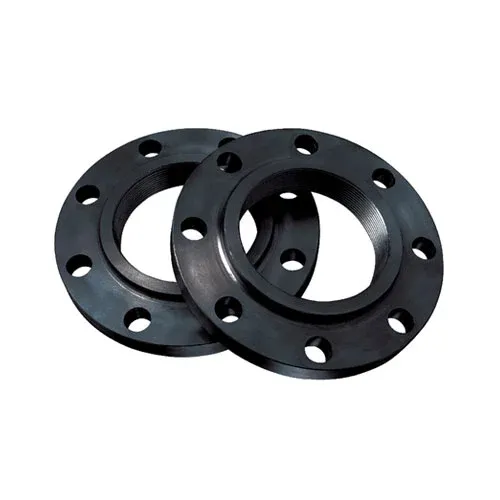
ASTM A694 F65 Flanges: Strength, Reliability, and Performance in High-Pressure Applications
ASTM A694 F65 flanges are high-strength carbon steel flanges designed for high-pressure transmission services, particularly in the oil and gas industry. These flanges are manufactured following the ASTM A694 specification, which ensures their suitability for applications involving high-pressure fluids and harsh environments. The “F65” grade denotes a minimum yield strength of 65,000 psi, offering an excellent balance of strength, toughness, and weldability. This article explores the key features, manufacturing standards, types, applications, and advantages of ASTM A694 F65 flanges.
1. Overview of ASTM A694 F65 Material
ASTM A694 is a standard specification for carbon and alloy steel forgings intended for pipe flanges, fittings, valves, and other high-pressure parts used in pipeline systems. The F65 grade is among the higher strength grades in this specification. With enhanced mechanical properties, ASTM A694 F65 is ideal for use in critical pipeline installations, including those operating under severe temperatures and pressures.
The chemical composition of ASTM A694 F65 includes carbon, manganese, phosphorus, sulfur, silicon, and small amounts of alloying elements like chromium, molybdenum, and vanadium. This controlled chemistry ensures high impact strength and resistance to embrittlement at low temperatures.
2. Mechanical Properties of ASTM A694 F65 Flanges
The mechanical performance of F65 grade flanges makes them highly reliable in demanding applications. Key mechanical properties include:
Minimum Yield Strength: 65,000 psi (450 MPa)
Minimum Tensile Strength: 77,000 psi (530 MPa)
Elongation: Minimum 21%
Hardness: ≤ 235 HB (Brinell)
These properties ensure the flanges can withstand dynamic loads, high pressures, and occasional shocks during service.
3. Manufacturing Standards and Compliance
ASTM A694 F65 flanges are manufactured under stringent quality control processes to ensure compliance with international standards. They are commonly produced in accordance with:
ASME B16.5 – for flanges from ½” to 24” diameter
ASME B16.47 – for large diameter flanges (Series A & B)
MSS SP-44 – for steel pipeline flanges
API 6A / 6B – for flanges used in oilfield equipment
EN 1092-1 / DIN / BS – for applications outside the U.S.
Each flange undergoes rigorous testing such as hydrostatic tests, ultrasonic inspection, and chemical/mechanical analysis to ensure performance integrity.
4. Types of ASTM A694 F65 Flanges
These flanges are available in a variety of designs to suit different piping configurations and operating conditions:
Weld Neck Flanges (WNRF): Ideal for high-pressure applications, offering excellent stress distribution and leak-proof connections.
Slip-On Flanges (SORF): Easy to install and weld, typically used in low-pressure systems.
Blind Flanges (BLRF): Used to terminate the end of a piping system or vessel.
Socket Weld Flanges (SWRF): Suitable for small diameter, high-pressure pipelines.
Threaded Flanges (THRF): Used in systems where welding is not feasible.
Lap Joint Flanges (LJRF): Ideal for systems requiring frequent dismantling for inspection or maintenance.
All these types can be customized based on the required pressure class (150 to 2500) and face finish (raised face, flat face, or ring-type joint).
5. Applications of ASTM A694 F65 Flanges
The strength and toughness of ASTM A694 F65 flanges make them ideal for various critical services, including:
Oil and Gas Pipelines
Petrochemical Plants
Natural Gas Processing Units
High-Pressure Steam Lines
Refineries and Offshore Platforms
Power Generation Plants
They are particularly valuable in sour service environments (H2S-containing systems) and extreme cold or high-temperature conditions.
6. Advantages of Using ASTM A694 F65 Flanges
High Strength-to-Weight Ratio: Supports thinner and lighter piping systems without compromising strength.
Corrosion Resistance: Provides good resistance to environmental and chemical corrosion, especially when coated or clad.
Excellent Toughness: Maintains structural integrity even in sub-zero temperatures.
Weldability: Easy to weld with minimal risk of cracking or structural failure.
Longevity: Extended service life under harsh operating conditions.
Versatility: Wide range of flange types and sizes available for different configurations.
7. Conclusion
ASTM A694 F65 flanges are a preferred choice for high-pressure pipeline applications requiring superior mechanical performance and corrosion resistance. Their design versatility, high yield strength, and adherence to international standards make them essential components in critical industries such as oil & gas, power generation, and petrochemicals. When selecting flanges for demanding conditions, ASTM A694 F65 offers an optimal blend of strength, durability, and performance assurance.
Appreciate the creator