Asthma Triggers at Home: What Could Be Making Your Breathing Worse?
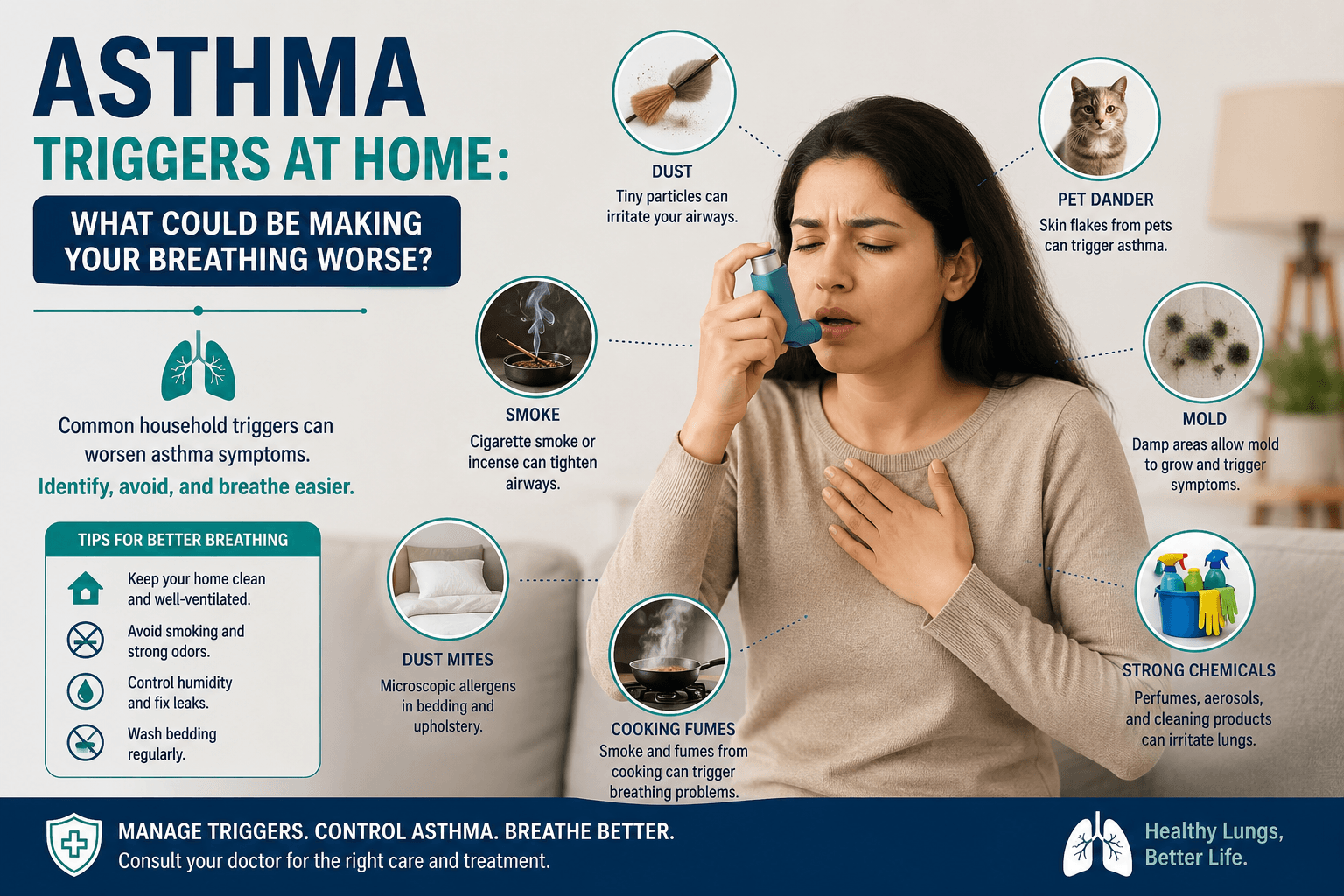
If you or someone in your family has asthma, you already know that breathing trouble doesn't always happen outdoors. In fact, a lot of asthma flare-ups start right inside the house. Dust on a shelf, a scented candle, or even a pet curled up on the couch can quietly set off symptoms without anyone noticing the connection at first.
Many patients visiting a chest specialist in Gurgaon (https://mayomhospital.com/pulmonology) are surprised to learn that their own bedroom or kitchen is behind their frequent coughing spells. Understanding what's hiding in your home environment is one of the simplest ways to get your symptoms under control. At Mayom Hospital, doctors often spend as much time discussing home habits as they do prescribing medication, because the two go hand in hand.
This article walks through the most common indoor asthma triggers, how to spot them, and what you can do about them starting today.
What Are Asthma Triggers?
Asthma triggers are substances or conditions that irritate the airways and cause them to swell, tighten, or produce extra mucus. This makes breathing harder and can lead to coughing, wheezing, chest tightness, or shortness of breath.
Quick answer: Asthma triggers are irritants like dust, smoke, pet dander, mold, and strong smells that cause the airways to narrow and become inflamed, leading to breathing difficulty in people who have asthma.
Not every trigger affects every person the same way. One patient might react strongly to cold air, while another struggles more with pollen or cleaning sprays. That's why identifying your personal triggers matters so much.
Common Indoor Asthma Triggers
Homes can hold a surprising number of hidden irritants. Here are the ones doctors see most often.
Dust Mites
These tiny creatures live in mattresses, pillows, carpets, and soft furniture. You can't see them, but their waste particles are a major asthma trigger, especially in bedrooms.
Mold and Damp Areas
Bathrooms, kitchens, and areas near water leaks are prime spots for mold growth. Mold spores travel through the air and can irritate sensitive airways within minutes.
Pet Dander
Skin flakes, saliva, and fur from cats, dogs, and even birds can trigger symptoms. This doesn't always mean giving up a pet, but it does mean managing exposure carefully.
Smoke and Strong Odors
Cigarette smoke, incense, mosquito coils, and cooking smoke from frying or grilling are frequent culprits. Even smoke from a neighbor's balcony can drift indoors.
Cleaning Products and Perfumes
Many household sprays, air fresheners, and perfumes contain chemicals that irritate the airway lining. Bleach and strong disinfectants are common offenders.
Cockroaches and Pests
Droppings and body parts from cockroaches can act as allergens, particularly in older buildings or homes near food storage areas.
Weather and Indoor Air Quality
During Gurugram's winter months, poor outdoor air quality often seeps indoors through windows and doors, adding to the trigger load already present inside the home.
Symptoms to Watch For
Symptom
What It Feels Like
When It Often Appears
Wheezing
A whistling sound while breathing
During or after exposure to a trigger
Coughing
Dry, persistent cough
Night time or early morning
Chest tightness
Pressure or heaviness in the chest
After cleaning, dusting, or cooking
Shortness of breath
Difficulty taking a full breath
During physical activity or stress
Disturbed sleep
Waking up coughing or breathless
Late night or early hours
If these symptoms show up more often at home than outside, indoor triggers are worth investigating.
Risk Factors That Make Asthma Worse Indoors
Some households face a higher risk of trigger exposure than others. These include:
Poor ventilation with few open windows
Carpeted floors instead of hard flooring
Homes with pets that sleep indoors
Frequent use of scented candles or incense
Older buildings with a history of dampness
Smoking inside the house
How Doctors Diagnose Trigger-Related Asthma
A pulmonologist typically starts by reviewing your symptom pattern, timing, and home environment. Common diagnostic steps include:
A detailed symptom and lifestyle history
Lung function tests such as spirometry
Allergy testing to identify specific triggers
Peak flow monitoring over a few weeks
Patients searching for the best pulmonologist in Gurgaon (https://mayomhospital.com/pulmonology) often come in only after months of unexplained coughing. A proper evaluation can connect the dots between home habits and breathing trouble far faster than trial and error at home.
Treatment and Management Options
Managing trigger-related asthma usually involves a mix of medical treatment and environmental changes.
Inhalers: Quick-relief and long-term controller inhalers remain the foundation of asthma management.
Allergy medication: Antihistamines or nasal sprays can reduce reactions to dust and pet dander.
Air purifiers: HEPA filters can reduce airborne particles significantly.
Home modifications: Removing carpets, using mattress covers, and fixing damp areas all help.
Regular follow-up: A lung specialist in Gurgaon (https://mayomhospital.com/pulmonology) can adjust treatment plans as triggers or seasons change.
Doctors at Mayom Hospital generally recommend building a personalized action plan rather than relying on a single fix, since most patients deal with more than one trigger at once.
Prevention and Lifestyle Tips
Small daily changes can lower trigger exposure significantly.
Wash bedding in hot water weekly
Keep humidity levels between 30 and 50 percent
Vacuum with a HEPA-filter vacuum cleaner
Avoid scented candles, incense, and air fresheners
Keep pets out of the bedroom
Fix leaks quickly to prevent mold
Use exhaust fans while cooking
Ventilate the home for a few minutes daily, even in winter
None of these steps replace medical treatment, but they do reduce how often symptoms flare up between doctor visits.
When to See a Doctor
Quick answer: See a doctor if you need your rescue inhaler more than twice a week, wake up at night due to breathlessness, or notice symptoms worsening despite avoiding known triggers. Early evaluation prevents flare-ups from becoming emergencies.
You should also seek care if:
Symptoms interfere with daily activities or sleep
A child's asthma seems to be getting worse over weeks
You're unsure what's triggering your symptoms
Current medication doesn't seem to help anymore
Frequently Asked Questions
Can asthma be triggered by something in my house even if I've never had allergies before? Yes. Asthma triggers and allergies aren't always linked. Irritants like smoke, strong odors, or cold indoor air can affect the airways directly, without involving an allergic reaction at all. This is why some people develop symptoms later in life despite no history of allergies.
How do I know if it's my home causing my asthma symptoms? Track when symptoms appear. If coughing or wheezing worsens after cleaning, cooking, or spending time in a specific room, and improves when you're away from home, indoor triggers are likely involved. A symptom diary shared with your doctor helps confirm the pattern.
Are air purifiers actually effective for asthma? HEPA air purifiers can reduce airborne dust, pet dander, and some allergens, which may ease symptoms for many patients. They work best alongside other steps like reducing carpeting and controlling humidity, rather than as a standalone solution.
Is it safe to keep a pet if someone in the house has asthma? It depends on the severity of symptoms and specific triggers. Some patients manage well with regular cleaning, air purifiers, and keeping pets out of bedrooms. Others may need to limit contact more strictly. A doctor can help assess individual risk.
When should I consult a pulmonologist instead of a general physician? If symptoms persist for weeks, worsen despite basic treatment, or interfere with sleep and daily activity, a pulmonologist can offer more detailed testing and a tailored management plan. This is especially useful when multiple triggers seem to be involved at once.
Summary
Indoor asthma triggers are often overlooked simply because they're so familiar. Dust, pets, mold, smoke, and everyday cleaning products can all play a role in ongoing symptoms. Identifying these triggers, combined with the right medical treatment, gives most patients much better control over their breathing.
Conclusion
Living with asthma doesn't mean living in constant caution, but it does mean paying attention to the spaces you spend the most time in. A few changes at home, paired with the right medical guidance, can make a real difference in how often symptoms show up.
If your symptoms keep returning despite your best efforts, it may be time for a proper evaluation. The team at Mayom Hospital in Gurugram works with patients to identify individual triggers and build a treatment plan that actually fits their daily life, not just a generic checklist. Reach out to schedule a consultation and take the next step toward easier breathing.
Appreciate the creator