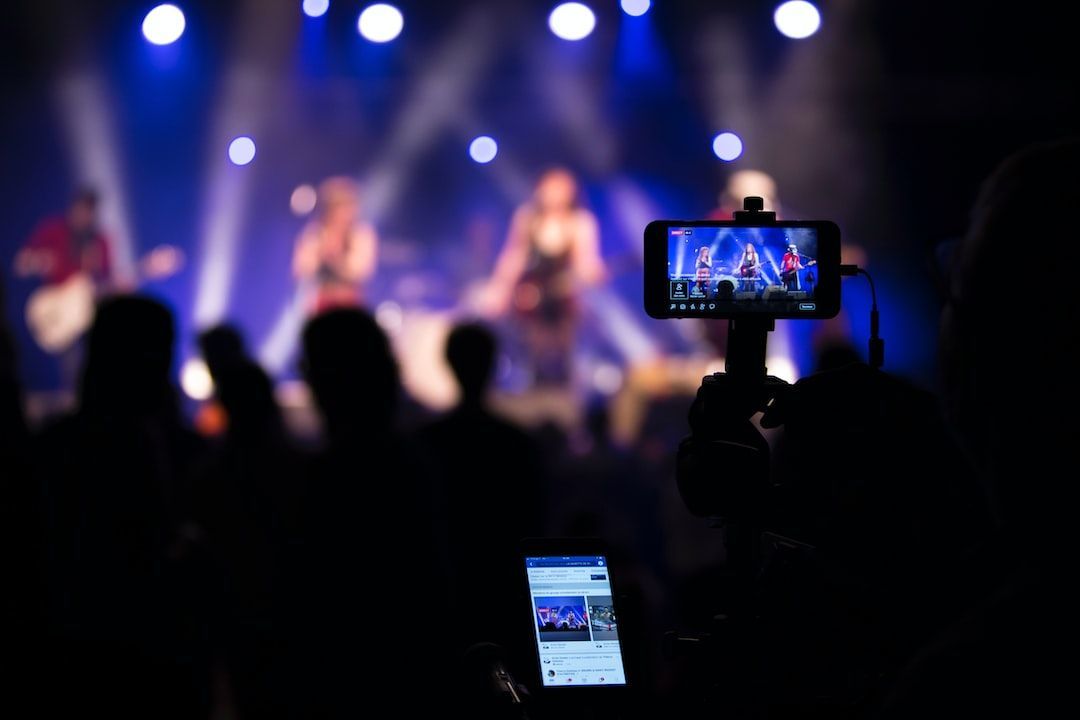
Are Virtual Concerts the Future of Live Music?
Virtual concerts and hologram live events have gained significant attention and popularity in recent years, and they are indeed shaping the future of live music. These innovative forms of entertainment have the potential to revolutionize the way we experience music performances. Here's an exploration of how virtual concerts and hologram live events are influencing the music industry and whether they are the future of live music.
Accessibility: Virtual concerts offer accessibility like never before. Anyone with an internet connection can tune in to live performances from the comfort of their own homes. This democratization of live music allows fans from all over the world to attend shows they might have otherwise missed.
Cost Efficiency: Attending physical concerts often involves expenses such as travel, accommodation, and tickets. Virtual concerts significantly reduce these costs, making live music more affordable and accessible to a broader audience.
Global Reach: Virtual concerts break down geographical barriers, enabling artists to reach a global audience without the need for extensive touring. This is particularly beneficial for emerging and independent artists looking to expand their fan base.
Hologram Live Events: Hologram for live events, also known as holographic concerts, take virtual performances to the next level. Using advanced technology, artists can create lifelike holographic representations of themselves, allowing them to "perform" in different locations simultaneously. This opens up new possibilities for tours and collaborations.
Legacy and Resurrections: Hologram live events have been used to recreate iconic performances by deceased artists. For instance, holograms of Tupac Shakur and Michael Jackson have appeared on stage. These events provide a unique experience for fans who never had the chance to see their favorite artists in person.
Immersive Technology: Virtual concerts often incorporate immersive technologies like virtual reality (VR) and augmented reality (AR). These technologies enhance the viewer's experience by allowing them to interact with the virtual environment or even the artists themselves.
Pandemic-Driven Growth: The COVID-19 pandemic accelerated the adoption of virtual concerts and hologram live events. With physical concerts and festivals canceled or limited, artists turned to virtual platforms to connect with their fans and continue generating income.
Challenges and Limitations: Despite their potential, virtual concerts and hologram live events also face challenges. The lack of a physical audience can diminish the energy and spontaneity of live performances. Technical issues, like poor internet connections, can disrupt the experience. Moreover, some fans may still prefer the authenticity and atmosphere of in-person concerts.
Hybrid Approaches: Many artists and event organizers are exploring hybrid models that combine physical and virtual elements. This approach allows for greater flexibility and inclusivity, as fans can choose to attend in person or virtually.
In conclusion, virtual concerts and hologram live events have become significant players in the music industry, offering unique opportunities for both artists and fans. While they are not a complete replacement for traditional live concerts, they provide an exciting complement and have the potential to continue evolving and expanding. As technology advances, it's likely that we'll see even more creative and immersive ways to experience live music, making these innovations an integral part of the future of the music industry.
Appreciate the creator