Angioedema Treatment for Children: Symptoms, Safe Therapies, and What Parents Must Know
Seeing your child experience sudden swelling of the lips, eyes, hands, or throat can be frightening. Many parents immediately worry about allergies, breathing problems, or serious complications. Understanding pediatric angioedema treatment helps parents respond quickly and confidently while ensuring their child receives safe and effective care.
This comprehensive guide explains symptoms in children, causes of swelling, treatment options, safety considerations, and long-term prevention strategies.
What Is Angioedema in Children?
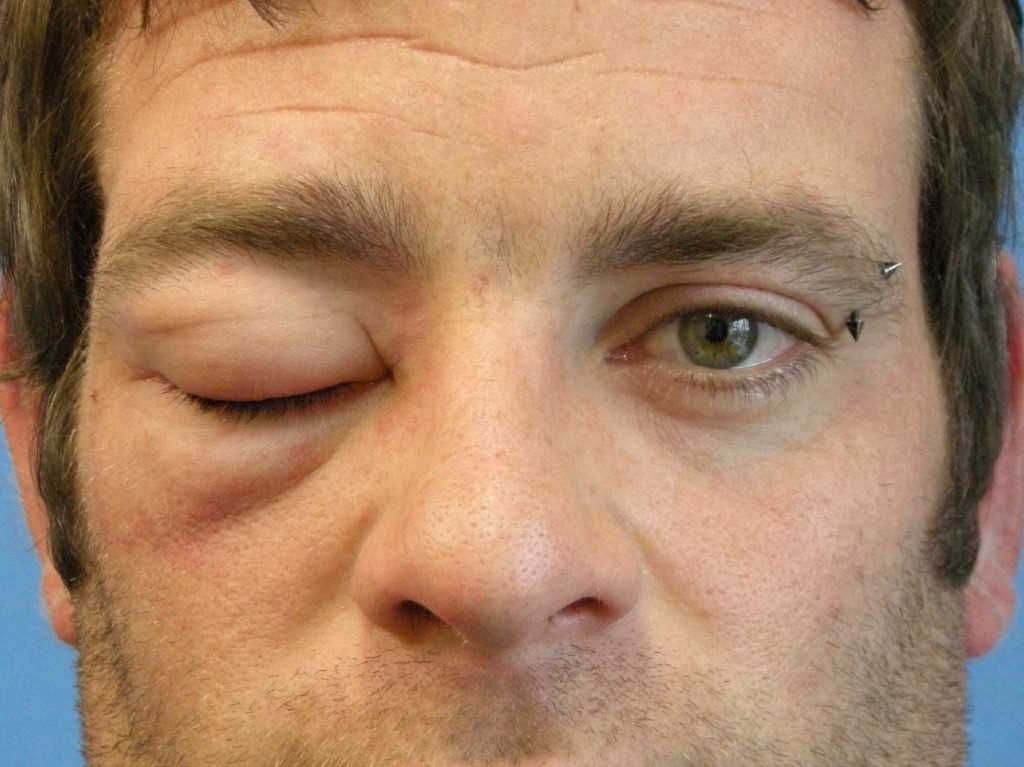
Angioedema is swelling that occurs beneath the skin’s surface, often affecting:
Lips
Eyelids
Face
Hands
Feet
Throat
In children, episodes may appear suddenly and resolve within hours or days depending on the cause and speed of angioedema treatment.
Common Causes of Angioedema in Kids
Understanding the cause helps guide proper therapy.
1. Allergic Reactions
Common triggers include:
Foods (milk, eggs, peanuts)
Insect stings
Medications
Environmental allergens
Allergic cases typically respond well to antihistamine-based angioedema treatment.
2. Viral Infections
Some viral illnesses can trigger swelling episodes, especially in younger children.
3. Chronic Spontaneous Angioedema
Swelling occurs without a clear trigger and may recur frequently.
4. Hereditary Angioedema (HAE)
A rare genetic condition causing recurrent swelling episodes unrelated to allergies. This requires specialized angioedema treatment.
Symptoms Parents Should Watch For
Recognizing symptoms early improves outcomes.
Mild Symptoms
Puffiness around eyes or lips
Localized swelling
Mild discomfort
Concerning Symptoms
Difficulty breathing
Hoarseness
Swelling in throat
Trouble swallowing
Abdominal pain
Severe symptoms require immediate emergency angioedema treatment.
How Is Angioedema Diagnosed in Children?
Diagnosis typically involves:
Medical history review
Symptom pattern analysis
Allergy testing (if needed)
Blood tests for hereditary conditions
Accurate diagnosis ensures appropriate angioedema treatment and prevents unnecessary medication.
First-Line Angioedema Treatment for Children
Treatment depends on severity and cause.
Antihistamines
Commonly prescribed for allergic swelling
Reduce histamine response
Often effective within hours
Antihistamines form the foundation of mild allergic angioedema treatment.
Corticosteroids
Used for moderate to severe inflammation
Reduce immune overreaction
Short-term use recommended
Epinephrine
For severe allergic reactions
Acts quickly to reduce airway swelling
Emergency-only therapy
Rapid intervention is critical in severe angioedema treatment scenarios.
Special Considerations for Infants and Toddlers
Very young children require extra caution.
Dosages must be age-appropriate
Liquid formulations may be used
Close monitoring is essential
Parents should never self-administer medications without professional guidance when initiating angioedema treatment in infants.
Managing Hereditary Angioedema in Children
HAE requires targeted therapy.
Treatment Options May Include:
C1 inhibitor replacement therapy
Bradykinin pathway blockers
Preventive medications
Unlike allergic forms, hereditary cases do not respond to standard antihistamine-based angioedema treatment.
Home Care Tips During Mild Episodes
Supportive care can ease discomfort.
Helpful Measures
Apply cool compresses
Encourage rest
Maintain hydration
Avoid known triggers
These steps support medical angioedema treatment.
Preventing Future Episodes in Children
Prevention reduces anxiety and improves quality of life.
Prevention Strategies
Identify and avoid triggers
Keep emergency medication available
Inform caregivers and school staff
Maintain a symptom diary
Follow prescribed preventive therapy
Consistent prevention strengthens long-term angioedema treatment success.
Emotional Impact on Children
Recurrent swelling can cause embarrassment or anxiety.
Parents can help by:
Explaining the condition calmly
Reassuring safety
Building emergency confidence
Avoiding panic reactions
A calm approach improves a child’s comfort with ongoing angioedema treatment.
School and Social Safety Planning
Children spend significant time outside the home.
Important Steps
Provide emergency medication to school staff
Share written action plans
Educate caregivers about warning signs
Ensure quick access to emergency services
Preparedness is part of comprehensive angioedema treatment planning.
When to Seek Emergency Care
Immediate care is necessary if your child experiences:
Breathing difficulty
Voice changes
Severe throat swelling
Rapid symptom progression
Prompt emergency angioedema treatment can prevent life-threatening complications.
Common Myths About Pediatric Angioedema
Myth 1: All swelling in children is food-related
Truth: Many cases are infection-related or idiopathic.
Myth 2: Antihistamines cure all types
Truth: Hereditary angioedema requires different angioedema treatment.
Myth 3: Children outgrow all angioedema
Truth: Some forms resolve, others require long-term management.
FAQs About Angioedema Treatment in Children
Is angioedema treatment safe for kids
Yes, when properly prescribed and monitored.
Can teething cause angioedema
Teething itself does not typically cause angioedema.
How long does swelling last in children
Mild cases may resolve within 24–48 hours.
Can stress trigger angioedema in kids
Stress may contribute in some chronic cases.
Is hereditary angioedema common in children
It is rare but requires specialized care when present.
Long-Term Outlook for Children with Angioedema
Most children with allergic angioedema respond well to treatment and may experience fewer episodes over time. Chronic or hereditary forms require structured management but can be effectively controlled with the right angioedema treatment plan.
Early diagnosis, parental awareness, and emergency preparedness significantly improve outcomes.
Final Thoughts
Pediatric angioedema can feel overwhelming, but with proper knowledge and preparation, it is manageable. Whether caused by allergies, infections, or hereditary factors, early recognition and appropriate angioedema treatment ensure safety and comfort for your child.
Parents who stay informed, prepared, and proactive can confidently manage swelling episodes and help their children lead healthy, active lives.
Appreciate the creator