Analog or Chronograph Watches for Men: Which Style Is Better?
People ask this a lot, and the honest answer is neither one wins outright. An analog watch (https://sylvi.in/collections/analog-watches) and a chronograph watch are built for different things, and once you know what each does well, the choice gets a lot easier.
What's the real difference?
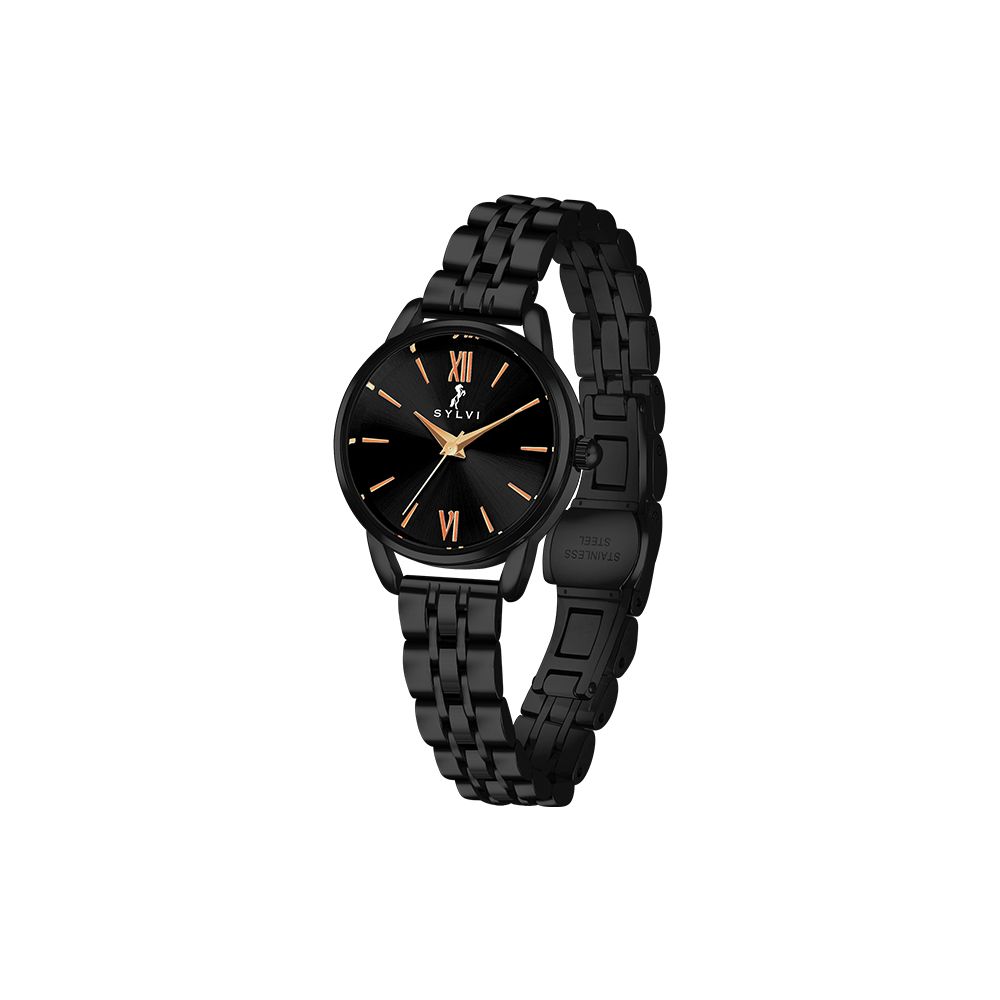
An analog watch is the classic setup — hour and minute hands, a clean dial, nothing extra running. A chronograph adds sub-dials for timing functions, usually a stopwatch, sometimes a tachymeter around the edge. Both fall under watches for men (https://sylvi.in/collections/watches-for-men), but they solve different problems.
If you want something that disappears under a shirt cuff and just tells time well, that's an analog watch for men. If you like having extra dials to glance at, or you actually use a stopwatch function, chronograph is the pick.
Analog watch for men: the case for simple
A men's analog wrist watch works almost everywhere — office, casual, formal, even at a wedding if the dial isn't too busy. That's the biggest argument for going analog: it doesn't ask questions. Nobody's ever looked at a clean analog watch and thought it was wrong for the room.
There's also a maintenance angle. Fewer moving parts on the dial generally means fewer things that can look off after a few years. If you're buying one watch for men to wear five days a week for the next several years, analog is the lower-risk choice.
Sylvi's analog watches collection leans into this — dials kept simple enough to work in a meeting, straps built to survive daily wear, not just weekend use.
Chronograph wrist watch: the case for detail
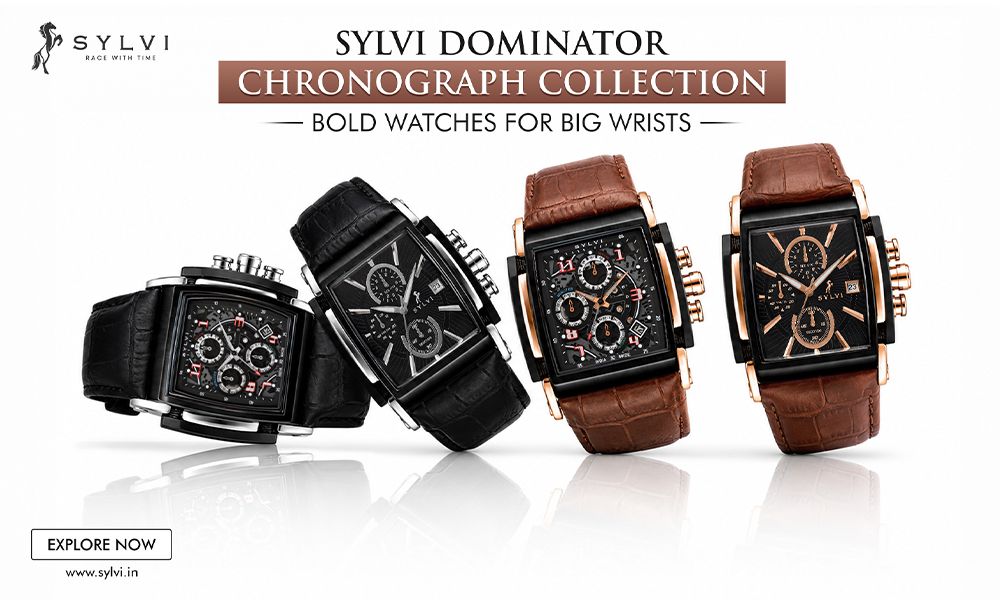
A chronograph watch looks like it's doing more, because it is. The sub-dials aren't decoration on a proper chronograph — they're timing mechanisms. Even if you never use the stopwatch function, the layered dial reads as more technical, more "watch enthusiast," which some men specifically want.
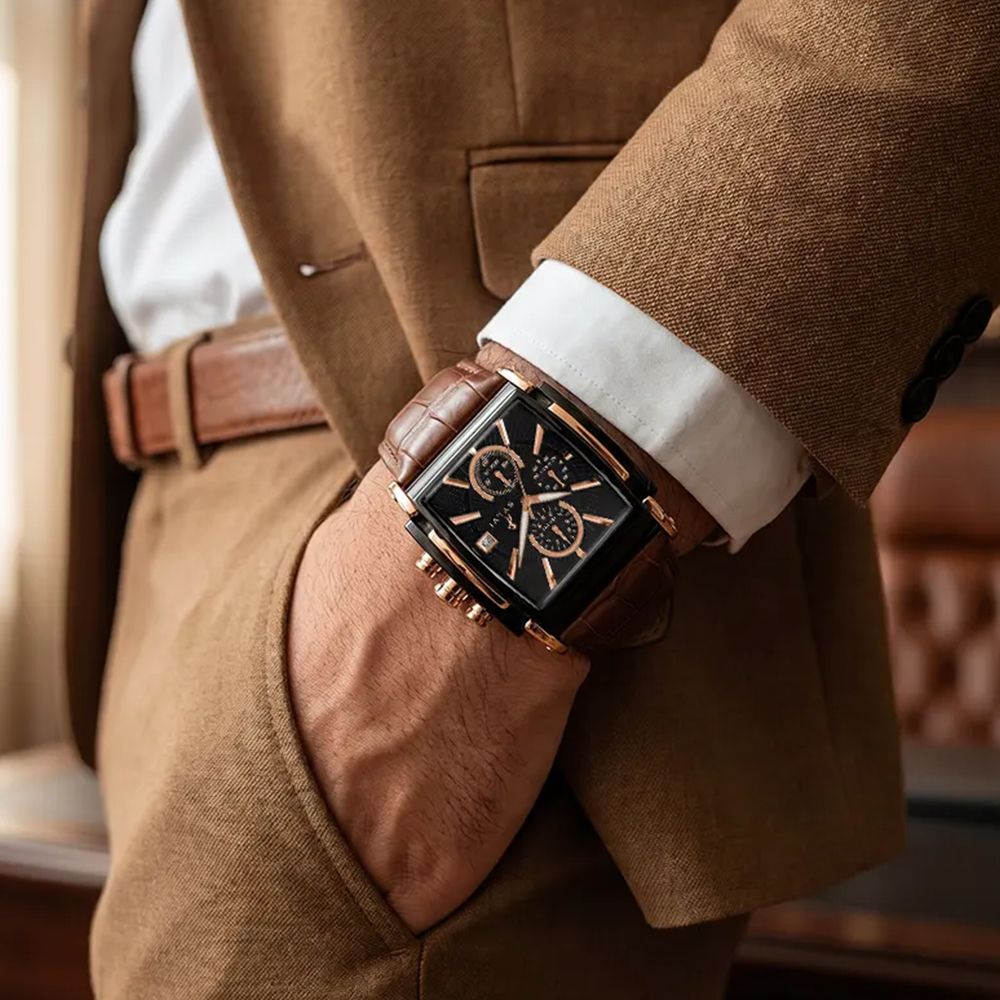
The trade-off: a chronograph wristwatch (https://sylvi.in/collections/chronograph-watches) takes up more space visually. It's a stronger statement piece, which means it fits fewer situations perfectly. Great for weekends, sports events, casual meetups. In a formal office setting, it can read as slightly loud depending on the dial.
If detail is what you're after, browse chronograph watches and compare dial layouts side by side — some are genuinely built for timing, others use the chronograph look mostly for style.
So which should you actually buy?
Ask yourself two questions:
Do you wear a watch daily for work, or mostly on weekends? Daily office wear leans analog. Weekend and casual leans chronograph.
Do you want a watch that blends in or one people notice? Analog blends in by design. Chronograph gets noticed, for better or worse.
If you're buying your first serious watch and can only pick one, analog is the safer long-term choice — it works in more rooms. If you already own a simple watch and want a second one with more personality, chronograph fills that gap well.
Does the brand matter here?
To an extent. A best brand watch for men, whether analog or chronograph, comes down to whether the sub-dials on a chronograph are functional or just printed on the face, and whether the strap and case hold up past the first year. This is where checking reviews before buying actually pays off — a chronograph with fake sub-dials isn't wrong to buy, but you should know that going in.
Sylvi has been building both styles out of Surat since 2015, with a 1-year warranty across the range. If you want to browse the full range of watches for men rather than pick a style first, that's a reasonable place to start too — you can narrow down once you've seen a few dials in person (or in close-up photos).
A note on vintage style
If you like the idea of a vintage wrist watch for men, that's usually an analog dial with a domed crystal, a smaller case size, and often a leather strap — vintage styling is almost always built on the analog format, not chronograph, since the clean face is what reads as "old world."
FAQs
Is an analog watch or chronograph watch better for men?
Neither is universally better — analog suits daily/office wear, chronograph suits casual and weekend wear where a bolder look works.
Can a chronograph watch be worn to formal events?
Yes, if the dial is understated and the case isn't oversized. A busy, multi-colored chronograph is harder to dress up than a simple black-and-steel one.
Do chronograph watches need more maintenance than analog?
Not necessarily, but with more moving parts on display, any wear shows up more visibly on a chronograph dial than a plain analog one.
What's a good starting point if I'm not sure which style I want?
Look at Sylvi's watches for men collection and compare a few analog and chronograph pieces side by side before deciding — seeing the actual dial size and detailing usually settles it faster than reading specs.
Appreciate the creator