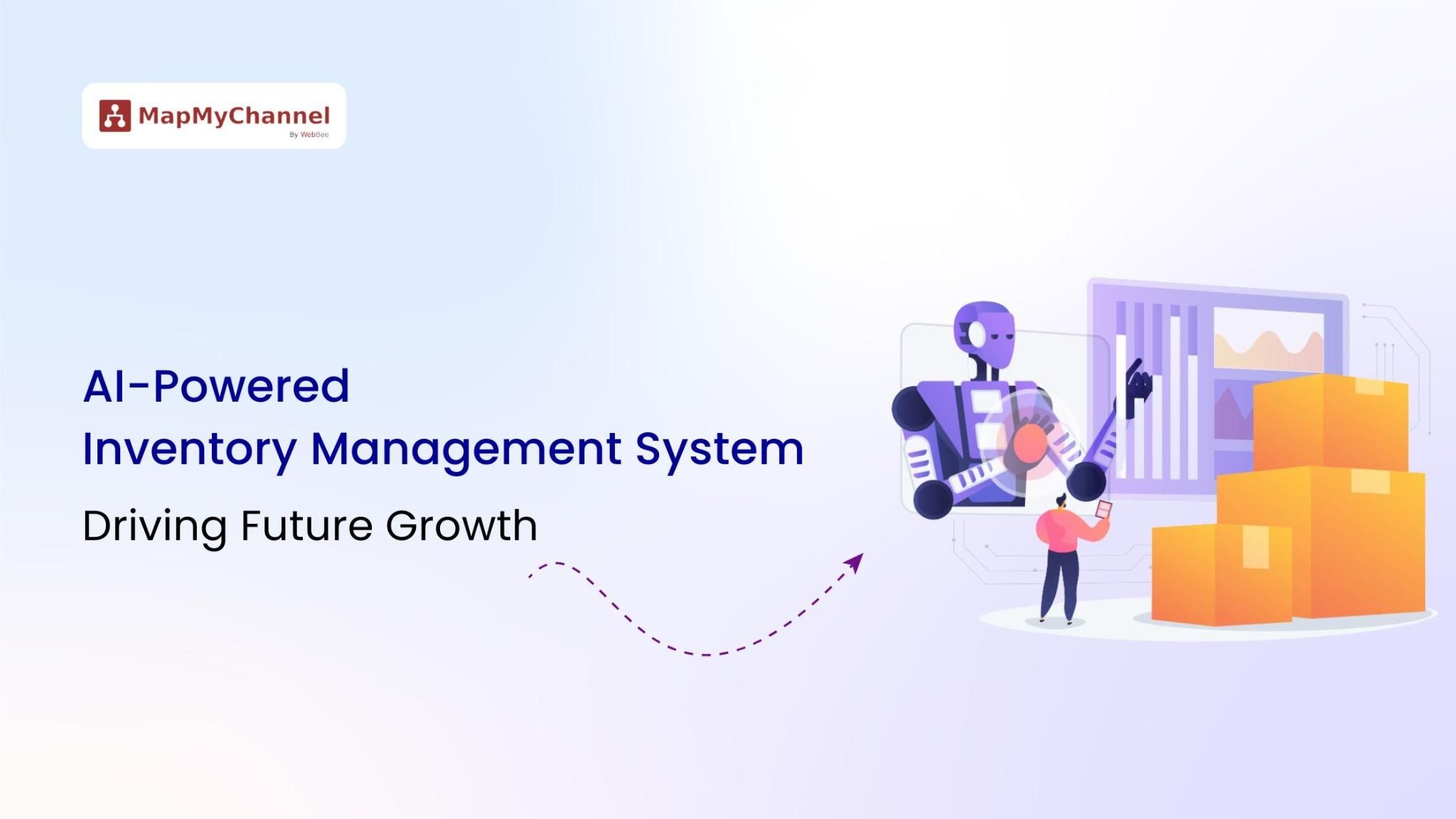
AI Inventory Management: The Future of Smart Supply Chains
In today’s fast-moving world, businesses can not rely on old methods to manage their stock. Customers expect quick deliveries, and companies need to balance costs while keeping the products in stock. This is where artificial intelligence (AI) is changing the game. AI inventory management uses smart tools to track demand, predict shortages, and reduce waste. Learning from data helps supply chains run smoothly and respond faster to market changes. The future of supply chains is not just about moving products; it’s about making them smarter, and AI is leading the way here. This blog is framed to help you expand your knowledge on Inventory Management and AI integration into the business.
What is AI Inventory Management?
AI models in an inventory management system use Machine Learning and different algorithms to analyze demand, trends, and sales to predict orders in the coming tenure. It allows the seller to stock up perfectly, avoiding stockouts and dead stock. Additionally, sellers can lower carrying costs while improving supply chain efficiency. While manual inventory counting has a high probability of errors and delays, costing revenue and brand value to the sellers, the right Inventory Management Software will manage it all with ease and effortlessness.
How AI Empowers Real-Time Inventory Management
Let’s go on to have a brief look at how Artificial Intelligence helps with inventory control:
Demand Forecasting
Smart inventory systems make demand forecasting easier by studying sales trends and adjusting predictions with market shifts. This reduces stock issues, improves purchasing decisions, saves money, and ensures products are available when customers need them.
Real-time inventory tracking
Real-time inventory tracking allows sellers to know the exact number of their units at all times. So, no discrepancy or misunderstanding is leading to inventory issues. Also, it allows sellers to keep a track of the supply chain and re-ordering time.
Multi-Location Inventory Sync
When sellers sync their inventory to an integration software, it gets synced across multiple locations. So, they can use inventory stored in one location for fulfillment of orders coming from some other sales channel, saving them time and capital investment.
Lower Storage and Shipping Cost
Accurate demand forecasting helps avoid overstocking, saving warehouse space and lowering storage costs. Smart inventory tools also refine packing and shipping routes, cutting expenses and speeding delivery, which boosts efficiency and profitability in a competitive market.
Automatic Reorder
Artificial intelligence allows you to reorder the products automatically as it reaches the low limit. Sellers do not even have to bother placing an order with the supplier; they simply have to sit, sell, and earn revenue.
Trend Analysis
Studying past sales, customer habits, and market shifts helps businesses spot patterns and prepare for future demand. The inventory control system guides sellers with product choices and pricing, while also highlighting seasonal trends so inventory is ready ahead of busy periods.
Conclusion
In the end, sellers need to understand that they need to keep up with the pace of changing market standards. With AI on the scene, there is a strict need for sellers to automate their business for inventory management. To scale a business in the long run, you cannot depend on human resources because they are bound to make errors. A simple error from their end can lead to either a delay in stocking, making it hard to deliver on time, or they may overlook some stock in the warehouse, making it dead. Either way, business is losing money, customers, and capital. So, to get your hands on technology and inculcate the same into the business, start with e-commerce automation and use tools like MapMyChannel for the same. They have a really easy way to integrate sales channels together on a centralised dashboard for better management and easy tracking. Rest, move ahead, and scale to build an unbeatable business strategy while the tool handles your stock.
Appreciate the creator