Access Control and Alarm: Enhancing Security in Modern Facilities
In today's world, security is no longer a luxury; it's a necessity. One cannot underscore the importance of having a robust security system in both residential and commercial spaces. Among the various methods available, access control and alarm systems are two of the most popular and effective tools to ensure security and control over a facility. Let’s dive deeper into how these two systems can be beneficial and why they are essential in our current age.
1. Access Control Systems: Ensuring Authorized Entry
Access control systems offer a way to restrict or permit access to specific areas of a facility. This ensures that only authorized individuals can enter certain areas, providing a high level of security. Here's how they function and their advantages:
Types: There are various types of access control systems, including PIN (personal identification number) systems, card and reader systems, biometric systems (like fingerprint or facial recognition), and even smartphone-based systems.
Advantages:
Controlled Access: Restrict access to sensitive areas to avoid unauthorized entry or data breaches.
Customizability: Set access times for specific users. For example, cleaning staff may be granted access only during certain hours.
Accountability: Track who enters and exits, providing an audit trail in case of incidents.
Flexibility: Easily add or remove users as required.
2. Alarm Systems: Immediate Alerts for Security Breaches
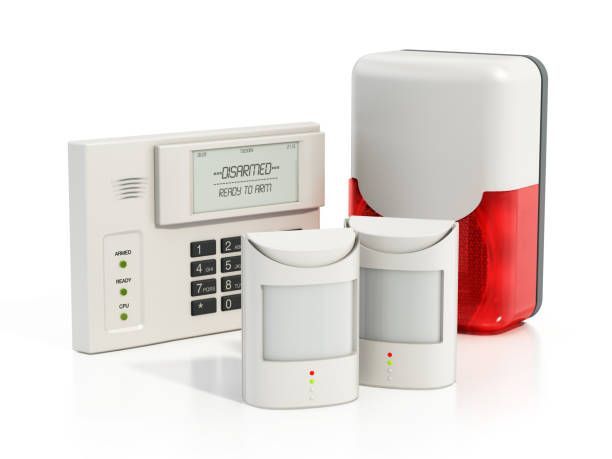
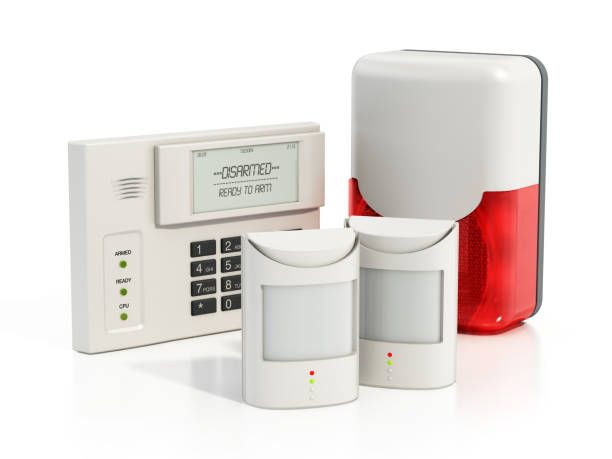
Alarms are designed to detect and notify of any unwanted intrusions or activities. They can be integrated with other security systems for an even more formidable security solution.
Types: Some common types include intrusion alarms (for break-ins), environmental alarms (for smoke, water, or gas leaks), and panic buttons.
Advantages:
Deterrence: Visible alarm systems can act as deterrents, discouraging potential intruders.
Immediate Notification: In the event of a breach, alarms can notify security personnel or local authorities automatically.
Integration: Modern alarms can be integrated with other systems like CCTV, enabling real-time response and recording of incidents.
Peace of Mind: Knowing that an alarm will sound if there's a breach offers psychological comfort to inhabitants or workers.
Combining Access Control and Alarm Systems
When used in conjunction, access control and alarm systems create a synergistic effect that greatly enhances overall security. For instance, if an unauthorized person somehow bypasses an access control system, the alarm can still be triggered to notify of the breach. This layered approach ensures that even if one system fails, the other acts as a backup, ensuring security is maintained.
Conclusion
In the rapidly changing landscape of security threats, the importance of having a robust and effective security system cannot be overstated. Both access control and alarm systems play crucial roles in preventing unauthorized entries, safeguarding assets, and ensuring the safety of inhabitants or employees. Whether you're looking to secure a small residential space or a large commercial facility, the combination of these systems provides a comprehensive security solution that's both reliable and adaptable.
Appreciate the creator