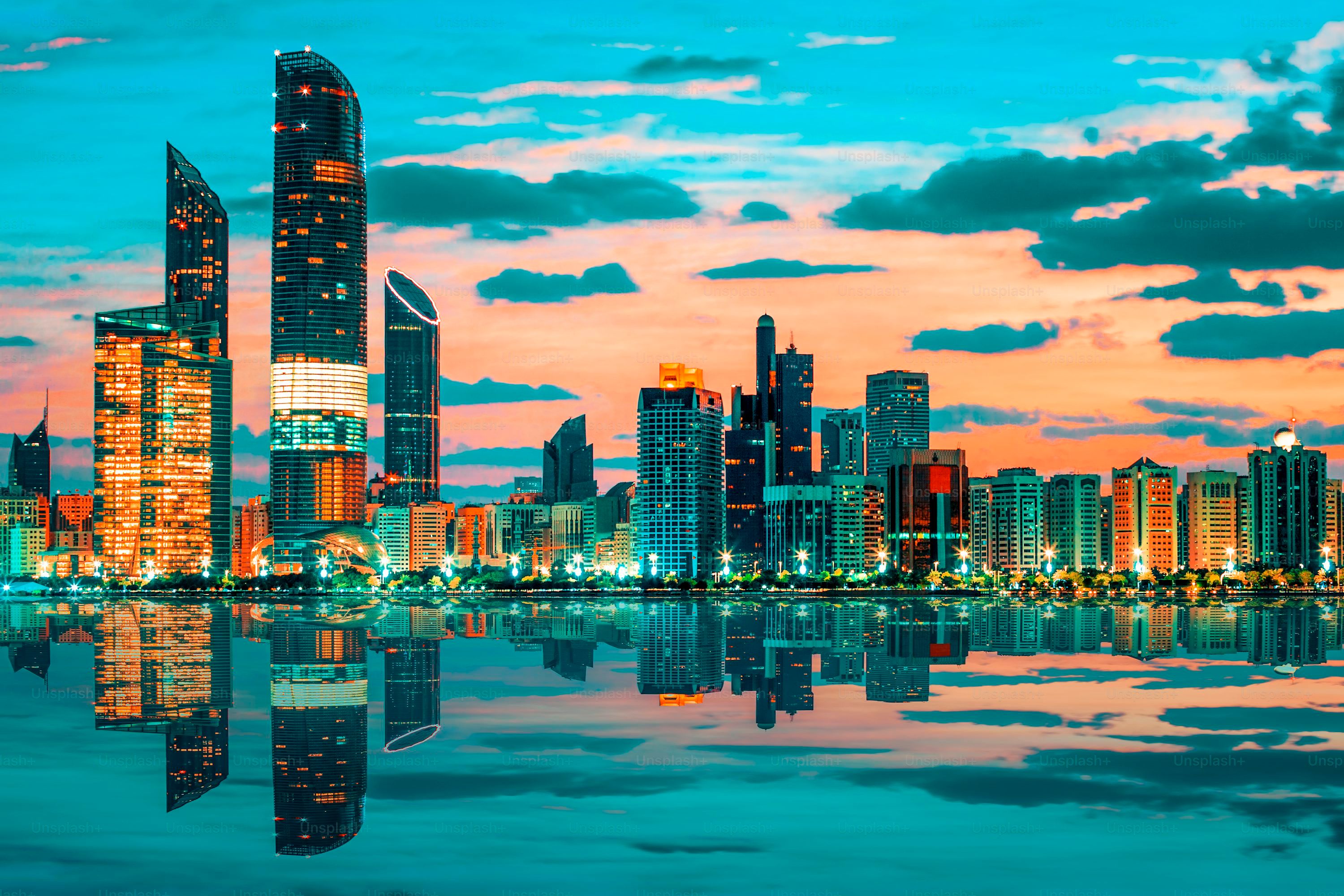
How Abu Dhabi Evolved to The Architectural Capital
Abu Dhabi’s rise is one of the most studied urban transformations of the last century. A quiet coastal settlement became a global center shaped by ambition, planning discipline and careful use of its resources. The city’s architecture grew step by step with its people. What stands in Abu Dhabi today did not appear overnight. It grew in layers, shaped by Bedouin heritage, maritime life, regional trade, rapid development, modern planning and large-scale investments that changed its skyline, neighborhoods and cultural spaces.
This story invites a wider understanding of the UAE itself. Abu Dhabi’s growth mirrors the path of the nation. The built environment is not only a backdrop but a record of how the country developed its identity. Every district, landmark and design choice carries signs of the country’s timeline. Tracing this path helps explain how interior design companies in Abu Dhabi began to rise as serious contributors during the era of residential and institutional expansion.
This blog looks at Abu Dhabi’s architectural evolution across different phases, from early settlements to the present. In doing so, it also brings attention to the gradual emergence of design studios that shaped hospitality venues, palaces and private villas that define today’s market.
The Foundations: Life Before Modern Urbanism
Long before the formation of the UAE, the coast that would become Abu Dhabi was part of a vast desert region with scattered tribal settlements. Housing was shaped by climate above all. Palm fronds, coral stone and porous earth materials were used to keep indoor spaces cool through the harsh summers. Rooms were simple and largely open, with ventilation towers that captured airflow and directed it downward.
Early Abu Dhabi had modest trade activity. Families lived in structures that changed with the seasons. Coastal fishing communities needed temporary housing. Inland tribes had larger tents with layered textiles that responded well to shifting winds and temperature swings.
What stands out from this period is the ability to achieve comfort through smart use of local resources. There was no electricity and no mechanical cooling. Spaces were arranged around courtyards that supported privacy and shade, and these courtyards became the first outlines of the inward layout that is still common in many Gulf homes.
The Turning Point: Oil Discovery and the First Urban Plans
In the middle of the twentieth century, oil exploration changed everything. Once production began, Abu Dhabi entered a new era. Sheikh Zayed bin Sultan Al Nahyan led the process of turning the small coastal town into a capital city that could support a nation.
The first urban plan commissioned during the 1960s introduced a grid layout with defined blocks and roads. Simple houses were replaced with concrete structures. Schools, clinics and administrative buildings appeared. People who had never lived in permanent buildings moved into stable homes with electricity and running water.
The new architecture of this period was modest. The priority was speed and housing supply. Concrete blocks, flat roofs and straightforward layouts were common. The focus was stability for families. Yet this is also where regional influence first began to shape interior spaces. The new homes included majlis rooms and guest areas. Furniture began arriving from Lebanon, Syria and Egypt. Designers from other Arab countries influenced early residential interiors long before a local design industry existed.
The 1970s and 1980s: Growth of National Identity in Design
As Abu Dhabi grew, architecture began to carry more regional identity. Government complexes adopted arches, colonnades and geometric patterns inspired by Islamic traditions. Residential compounds started using warmer palettes, carved wooden doors and ornamental motifs that signaled both hospitality and cultural continuity.
Air conditioning spread quickly during these decades, allowing larger internal spaces. With better insulation and new construction techniques, homes could include living rooms, dining areas and majlis sections in a way that was not possible before. This sparked new expectations for interior quality. Upholstery, lighting and decorative accessories became important elements in homes, especially in houses built for growing families.
Although interior design companies in Abu Dhabi were not established at large scale yet, this was the period when early regional decorators began offering more specialized services. They provided guidance on materials, room layout and textiles. Many influential Emirati households worked with artisans from other Middle Eastern cities who helped shape the early design identity that still influences the region.
The Architectural Leap: Vision for a Modern Capital
The 1990s and early 2000s brought a different speed of development. Abu Dhabi began investing heavily in infrastructure, tourism and cultural institutions. The city’s leadership wanted a capital that could stand confidently on the world stage while remaining connected to the region.
This ambition resulted in a new generation of architecture. Wide boulevards, modern bridges and master planned districts gave the city its distinct structure. Large scale residential communities began to appear on the mainland. Towers on the Corniche started to define the skyline.
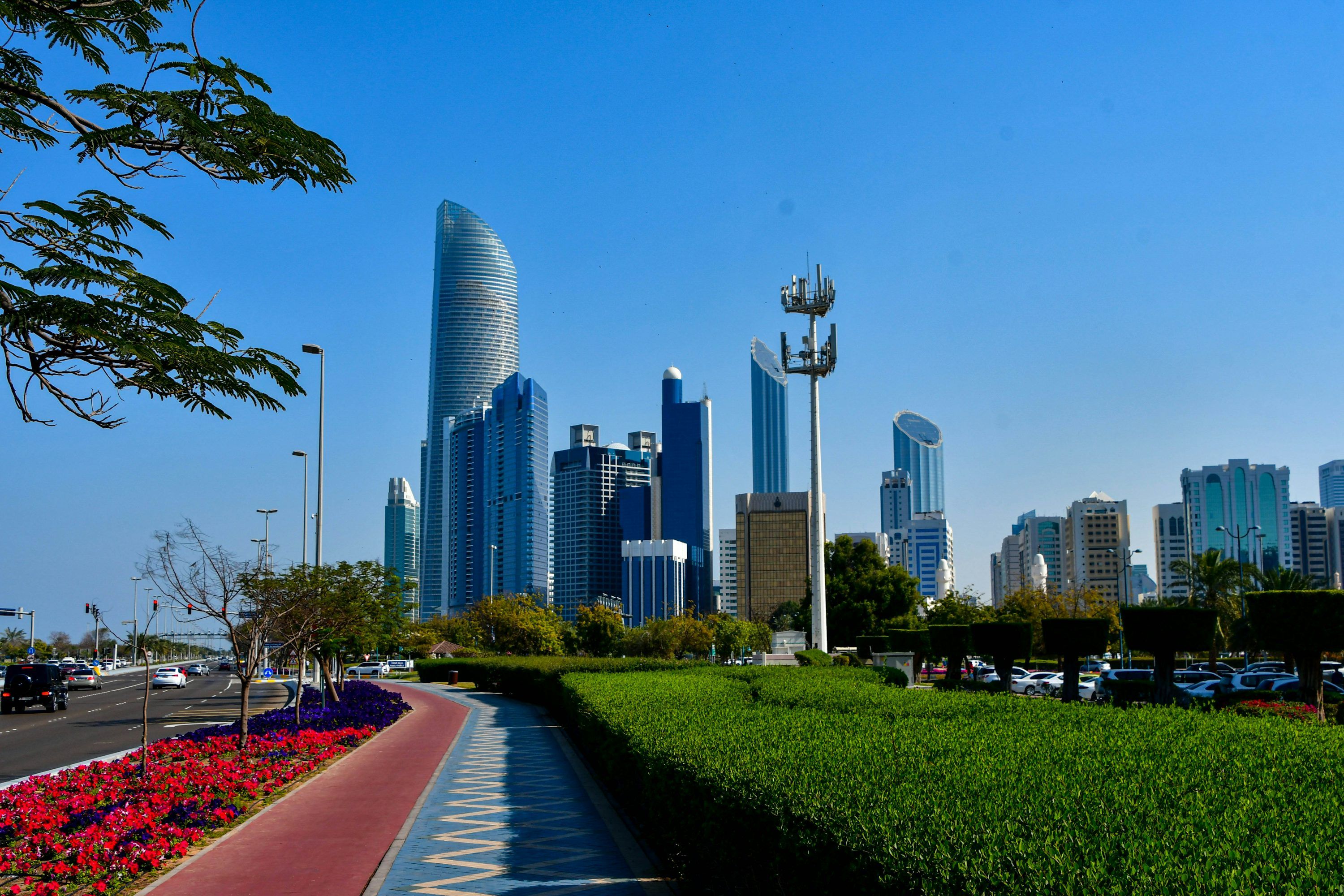
During this phase, design companies in Abu Dhabi grew quickly because the demand for interiors increased at all levels. Villas became larger. Hospitality venues needed standout designs. Commercial towers needed lobbies that matched their architectural presence. International hotel groups insisted on specialized design teams. This created space for local and regional firms to develop a real industry.
The design profession became more organized. Studios started offering services that went far beyond decoration. They studied lighting plans, joinery, spatial circulation and the relationship between material layers. Abu Dhabi’s rapid expansion made this type of expertise necessary. This is also the period when many well known interior designers and architects established themselves as long term contributors to the UAE’s development.
Cultural Vision: Saadiyat, Museums and Global Recognition
The most significant turning point in the architectural identity of Abu Dhabi came with the cultural district on Saadiyat Island. This project brought some of the world’s most respected architects to the capital, including Jean Nouvel for the Louvre Abu Dhabi and Norman Foster for several master plans.
These institutions reshaped how the world viewed the UAE. They also set a new standard for local design studios. Working in a city with buildings of such importance changed expectations among residents and government planners. Material quality became more refined. Lighting strategy became essential. Interior composition moved away from simple decoration toward spatial storytelling, without using the poetic terms that your preferences restrict.
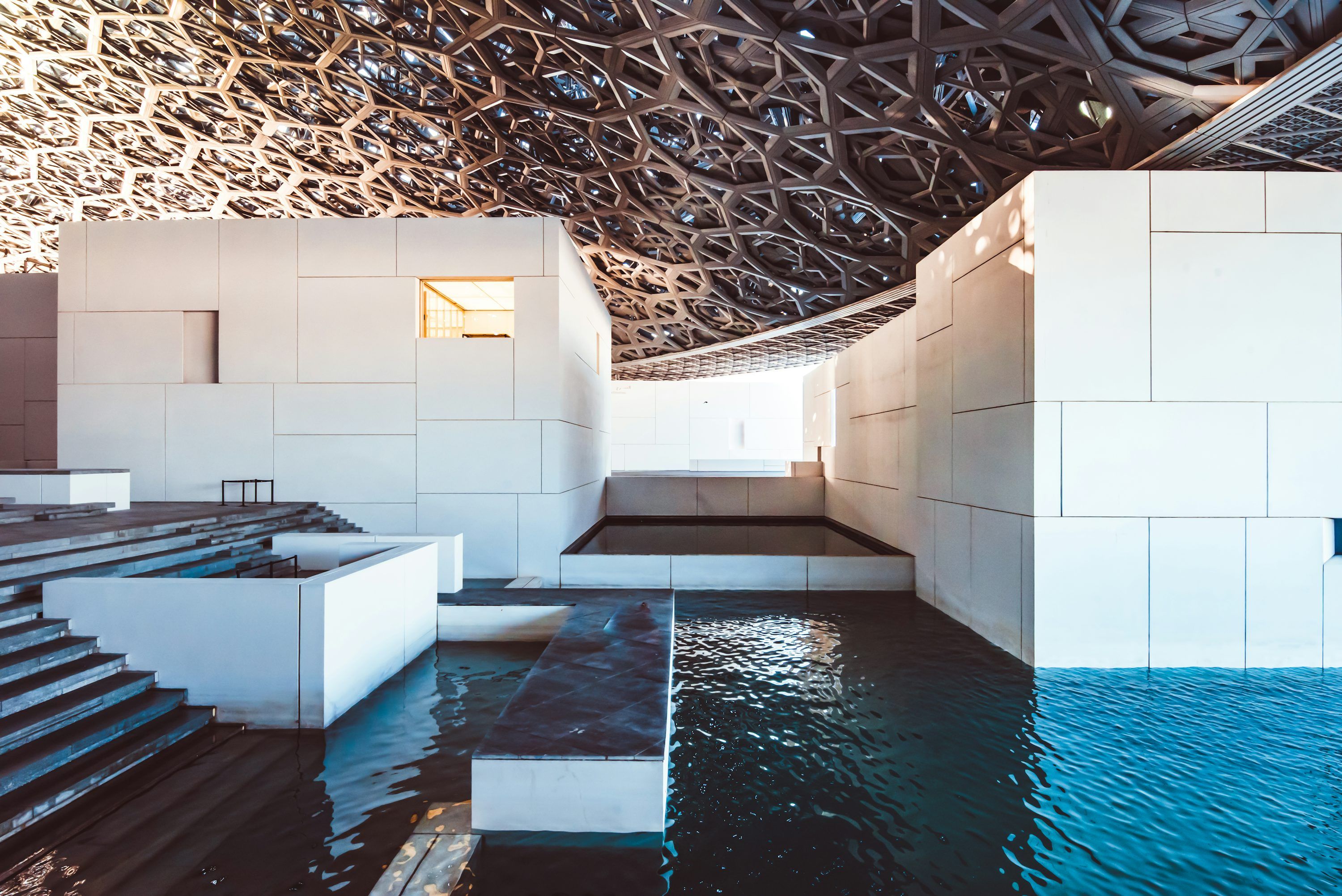
Louvre Abu Dhabi, with its perforated dome and layered light patterns, influenced a generation of designers in the region. It proved that cultural architecture could be both modern and rooted in local climate solutions. Its interplay of light and shadow reintroduced ideas that had existed in traditional Emirati homes, adapted for a contemporary scale.
This period also brought large residential and hospitality projects. Each one required extensive interior work. The market for design companies grew stronger because clients wanted expertise that matched the high level of architectural ambition around them.
The Abu Dhabi of Today: A Mature Architectural Landscape
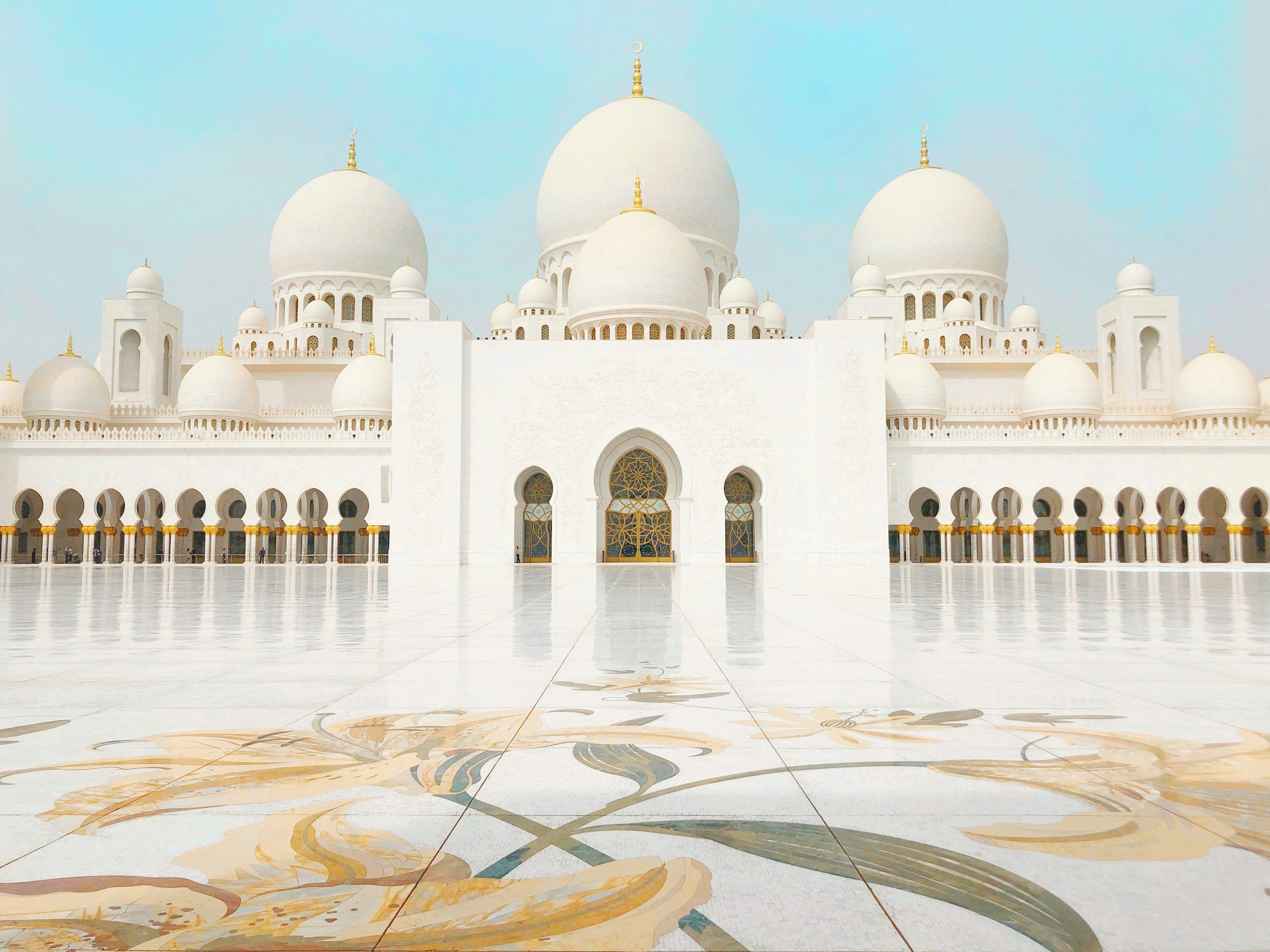
Today Abu Dhabi is a major architectural destination with a mature design market. The city spans islands, mainland districts and rapidly expanding communities. Landmarks such as the Presidential Palace, Etihad Towers and the Sheikh Zayed Grand Mosque contribute to a skyline that is both modern and grounded in regional proportions and forms.
Residential architecture also evolved. Family villas now include double height entrance halls, layered lighting, imported marble, high grade joinery and special rooms for guests, gatherings and private family time. Many homes incorporate international influences while maintaining spatial layouts familiar to Emirati culture.
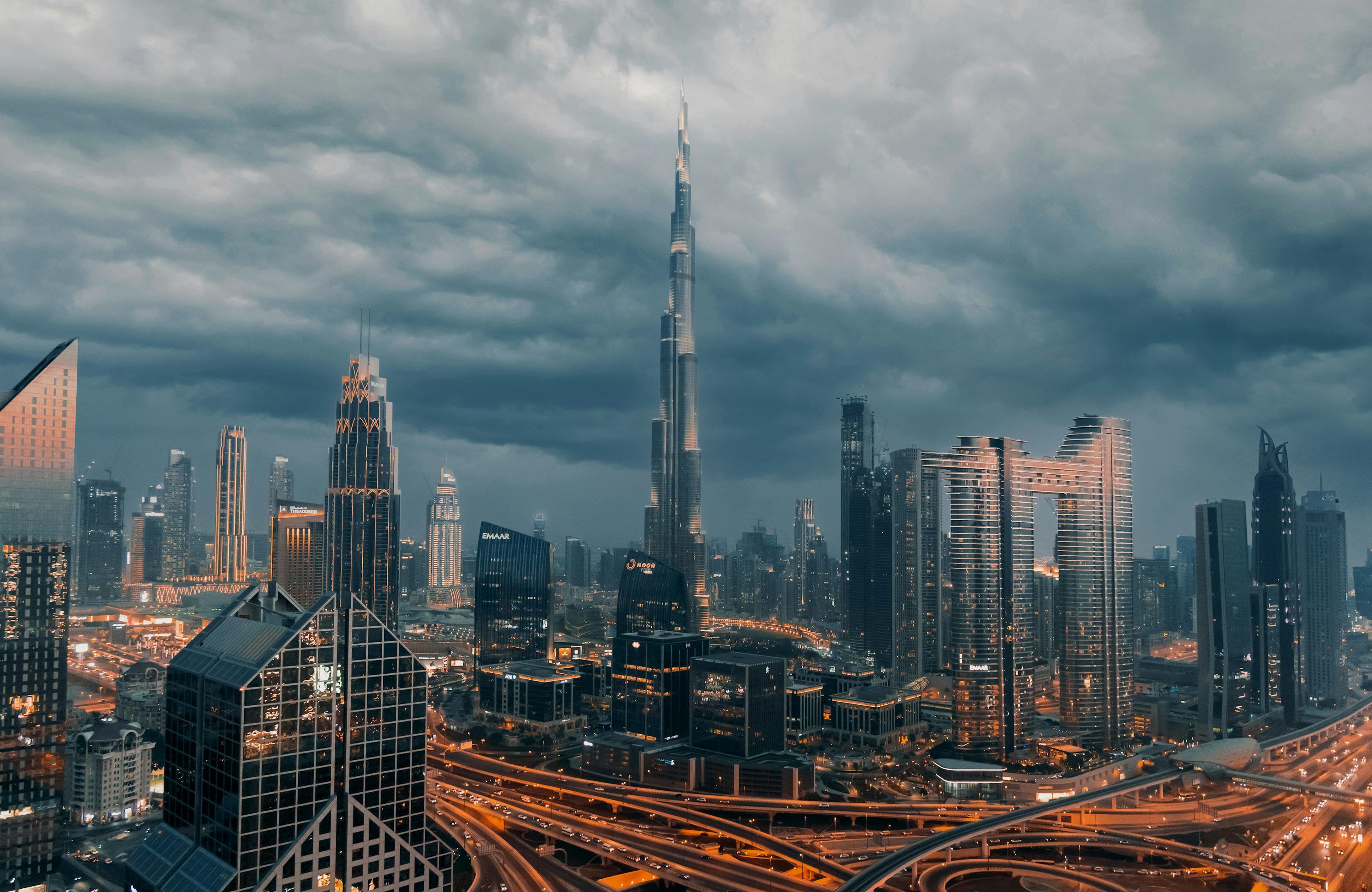
This is the era when design studios in Abu Dhabi operate at global standards. They collaborate with suppliers from Europe, Asia and the United States while working closely with local craftsmen. They design homes that balance climate needs with luxury expectations. They create hospitality interiors that support tourism and business travel. They work on government buildings that require precision and clarity.
With Abu Dhabi’s steady growth, the interior design market now covers a full spectrum of services. Some firms work on palaces. Some focus on villas. Others specialize in hospitality, corporate, retail or exhibitions. The city’s diverse population created demand for design styles ranging from contemporary European to classic Arabian to modern minimalism with rich material detailing.
The Role of Architecture in National Development
Understanding Abu Dhabi’s architectural timeline also means understanding the UAE’s national priorities. The built environment has always been central to economic development. Infrastructure projects support growth. Housing programs support stability. Cultural institutions support national identity. Hospitality development supports tourism and investment.
In each stage, design played a major role. During early housing expansion, interior quality helped families adapt to modern homes. During the rise of tourism, hotels needed interiors that could compete with international standards. During cultural development, museums demanded world class architectural spaces. Today sustainable planning plays a growing role.
Abu Dhabi’s planning authorities invest heavily in long term strategies. New districts are built in phases with clear zoning. Streets are carefully laid out. Public spaces receive structured design guidelines. Landscape architects work alongside building designers to create integrated areas. This coordinated planning is one of the reasons the city has grown in a controlled and steady way.
As a result, interior design companies in Abu Dhabi became essential partners in these projects, each contributing a layer of expertise to the city’s development.
Materials and Techniques Shaping Today’s Interiors
Modern Abu Dhabi interiors are defined by material quality and well balanced layouts. Some of the most common elements include:
Marble and natural stone
Homes often incorporate stone sourced from Italy, Spain and Greece. The use of expressive veins and polished surfaces became a visual signature in luxury villas.
Wood wall panels
Warm tones appear frequently in living rooms, dining rooms and majlis areas. Wood softens the scale of double height spaces and brings a sense of grounded comfort to large interiors.
Metal accents
Gold and bronze finishes are common in lighting, furniture framing and decorative detailing. These tones add warmth without overwhelming the space.
Textiles in rich colors
Deep blue, emerald and burgundy are popular in upholstery and cushions. These jewel tones align well with the region’s preference for depth and richness.
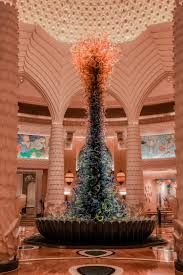
Carved detailing and custom joinery
Custom built cabinetry, wall units and doors are central to many homes. These pieces are tailored for the family’s lifestyle.
These elements show how the city’s interiors moved from simple concrete structures to layered compositions that align with global luxury standards.
Sustainability and Future Directions
While earlier phases of Abu Dhabi’s development prioritized speed, the current phase prioritizes efficiency, energy performance and long term planning. New buildings include insulated facades, high performance glazing and smart systems that control lighting and climate.
Interior designers contribute by selecting durable materials that age well, improving lighting efficiency and designing layouts that maximize natural daylight. Residential clients now expect smart home features and seamless control systems for lighting, climate and audio.
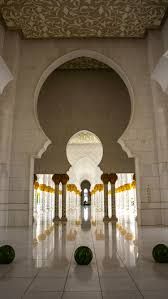
The architectural direction of Abu Dhabi continues to move toward integrated urban planning. Developments such as Saadiyat Grove and the new cultural expansions signal a future shaped by mixed use districts, walkable communities and buildings that combine aesthetic strength with strong environmental performance.
Design studios in the city adapt to these changes by learning new technologies, collaborating with engineers and researching modern materials.
How Abu Dhabi’s Architectural Evolution Shapes Today’s Lifestyle
Every generation in the UAE grew up with a different built environment. Those born in the early years remember modest homes. Their children grew up in houses built after modernization. The next generation grew up near towers, cultural districts and global hospitality brands.
Because of this, expectations for interiors also changed. Families today want homes that feel spacious and welcoming, suitable for large gatherings, comfortable daily living and privacy between family members and guests. Modern villas in Abu Dhabi often include:
• Formal majlis areas
• Large dining rooms
• Open plan living spaces
• Secondary family living rooms
• Walk in closets
• High specification kitchens
• Outdoor terraces
These spaces reflect lifestyle needs shaped by rapid development and rising standards of living. Interior designers respond by creating layouts that support comfort and visual cohesion.
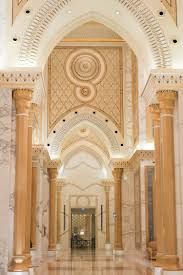
Why Abu Dhabi Stands Out in the Region
Many cities in the Gulf experienced fast development, yet Abu Dhabi built its identity through balance and planning discipline. Several factors make the city unique:
Long term vision
Abu Dhabi’s leadership consistently invests in master planning with clear objectives.
Cultural investment
Museums and art institutions provide depth and purpose to the city’s architecture.
Controlled growth
Instead of uncontrolled expansion, the city develops in measured phases.
Consistent quality
Government building codes and investment standards ensure high construction quality.
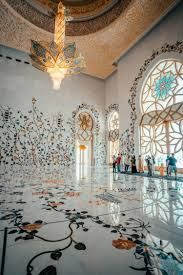
Strong design industry
Interior design companies in Abu Dhabi matured alongside these developments, contributing directly to the city’s aesthetic identity.
This combination gives Abu Dhabi both stability and global presence.
Conclusion: A City Defined by Its Layers
Abu Dhabi’s architectural journey cannot be separated from its national story. It moved from desert settlements to a structured capital, from early concrete buildings to global landmarks, from modest interiors to high specification homes shaped by skilled designers.
The city’s evolution shaped the rise of its interior design industry. As homes grew larger, public buildings became more complex and cultural institutions gained international attention, demand for specialized design talent increased. Studios in Abu Dhabi now operate at a level that attracts clients from across the region.
Today the city stands at a point where tradition, climate awareness and modern ambition meet. Its architecture tells a clear story of growth. Its interiors show how quality became an expectation rather than a luxury. Its planning reveals a country that builds for the long term.
The next chapter will continue this path with new districts, cultural expansions and residential neighborhoods shaped by high quality design. The foundation has already been built. What comes next will rise from this strong base, guided by a clear vision and a city that understands the value of its own story.
Appreciate the creator