ABS Warning Light: What It Reveals About Your Car—and Your Driving Habits
ABS Warning Light: What It Reveals About Your Car—and Your Driving Habits
Modern vehicles are packed with intelligent systems designed to keep us safe. One of the most misunderstood yet essential among them is the Anti-lock Braking System (ABS)—a technology that quietly prevents crashes every single day. Yet, when the ABS warning light flicks on, many drivers ignore it or delay taking action, unaware of the deeper implications.
This article dives into the psychology of driver response, the engineering principles behind ABS, and how this tiny amber light could signal not just a mechanical issue—but patterns in how you drive.
What Does the ABS Warning Light Really Mean?
The ABS warning light on your dashboard is part of a system designed to prevent wheel lockup during sudden braking. The light activates when the ABS control module detects:
Inconsistent or missing signals from a wheel speed sensor
Faulty wiring or corroded electrical connections
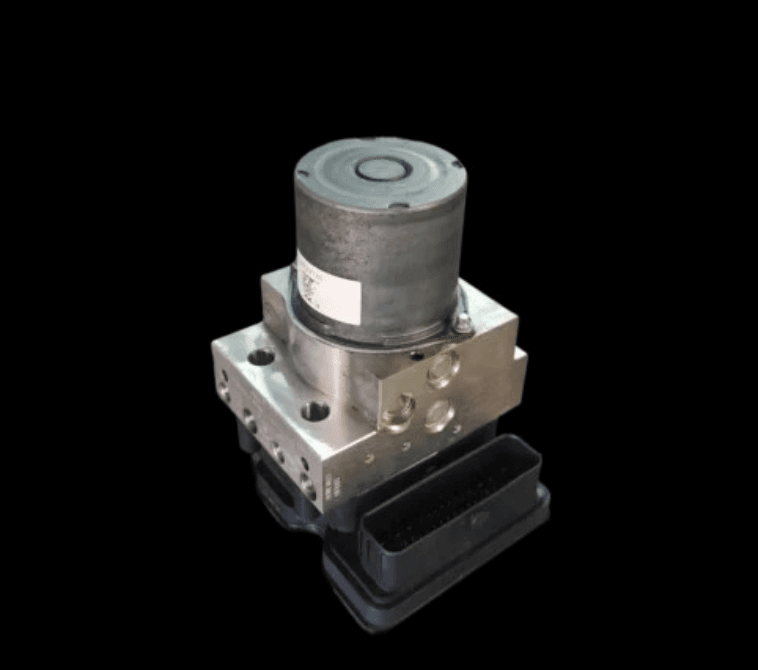
Problems with the ABS pump or hydraulic control unit
Low or contaminated brake fluid
The ABS light indicates that ABS is offline, meaning your car’s brake system still works, but it won’t prevent skidding or loss of traction in an emergency.
Beyond the Light: How ABS Failure Reflects Driving Behavior
Here’s where it gets interesting. In many vehicles, the ABS system fails prematurely not just due to component aging, but due to driving conditions and habits. Let’s break down some common behavior-linked causes:
🔄 Frequent Hard Braking
Regular aggressive stops wear down sensors and introduce debris to magnetic speed sensors at the wheels. If you're often stopping abruptly in traffic or tailgating, the system is working harder—and that wear shows up over time.
🌊 Driving Through Water or Mud
Moisture and sediment can corrode ABS connectors and wiring. Drivers who frequently go off-road or don’t clean their undercarriage after a muddy or salty winter drive are more likely to encounter ABS faults.
⚙️ DIY Brake Jobs Without System Resets
Changing pads or rotors without resetting the ABS module can cause lingering fault codes. Even slight variations in part fitment can confuse wheel sensors.
🚨 Ignoring Minor Issues
A damaged wheel bearing, minor suspension issue, or uneven tire wear can throw off the data that ABS uses to compare wheel speed. Drivers who delay routine maintenance may end up triggering ABS faults indirectly.
The Psychology of Ignoring the ABS Warning Light
Why do so many people ignore the ABS light?
A 2021 driver safety study found that 74% of drivers admitted to ignoring at least one warning light on their dashboard for more than a week. The ABS light in particular is often misjudged because:
It’s not red (like the main brake warning).
Brakes still “feel” functional.
The consequences aren’t immediately visible.
This is where driver psychology becomes a safety issue. Humans tend to downplay abstract risk—especially if no immediate feedback (like failed braking) occurs. But when that rare emergency stop does happen—on a wet highway or icy hill—the consequences can be catastrophic.
How ABS Integrates With Other Vehicle Safety Systems
In modern vehicles, ABS isn’t a standalone system—it’s the foundation for several other safety technologies:
1. Electronic Stability Control (ESC)
ESC uses ABS wheel speed sensors to detect understeer or oversteer. If the ABS fails, so does ESC, reducing your ability to recover from skids or slippery turns.
2. Traction Control
This feature modulates brake pressure on individual wheels to prevent loss of grip. A failed ABS sensor disables traction control in many vehicles.
3. Brake Assist Systems
Advanced driver-assist systems (ADAS) like emergency braking rely on ABS components. Faulty sensors can disable auto-brake features in newer cars.
In short: an illuminated ABS light might quietly disable three to five critical safety systems in your vehicle.
Signs That Accompany the ABS Light
The ABS light rarely works in isolation. If you're seeing it, look out for:
Loss of traction control (TC) light
Strange braking noise (grinding, pulsing, or clicking)
Longer stopping distances
Brake pedal feels soft or pulses
Unusual behavior during sharp turns or wet roads
These are clues that the system isn't just warning you—it's actively underperforming.
Diagnosing the Problem: Tools and Techniques
Modern car diagnostics have become more accessible. Here’s how you can get started:
🧰 OBD-II Scanning Tools
Many tools under $50 can now read ABS codes. Look for one with ABS/SRS support, not just engine codes. It will pinpoint whether the fault lies in a specific sensor or module.
🔍 Physical Inspection
Check all four wheel speed sensors for grime, damage, or rust.
Inspect the brake fluid for level and color (it should be clear or light yellow).
Examine wiring harnesses for cracks or loosened plugs.
🛠️ When to Call a Professional
If a code points to the ABS control module, hydraulic pump, or intermittent signals, it’s best handled by a technician. These parts are expensive and precise—improper repair can introduce new issues.
Conclusion: Think of the ABS Light as a Training Partner
Instead of treating the ABS warning light as an inconvenience, think of it as a real-time performance report—not just on your car, but on your own driving habits.
It’s a feedback mechanism that says:
“You might be braking too hard, too often.”
“You’re overdue for a checkup.”
“Something deeper in your safety systems needs attention.”
It’s not a light to fear. It’s a tool for preventive safety—and possibly, one of the best driving coaches you’ve ever had.
Appreciate the creator