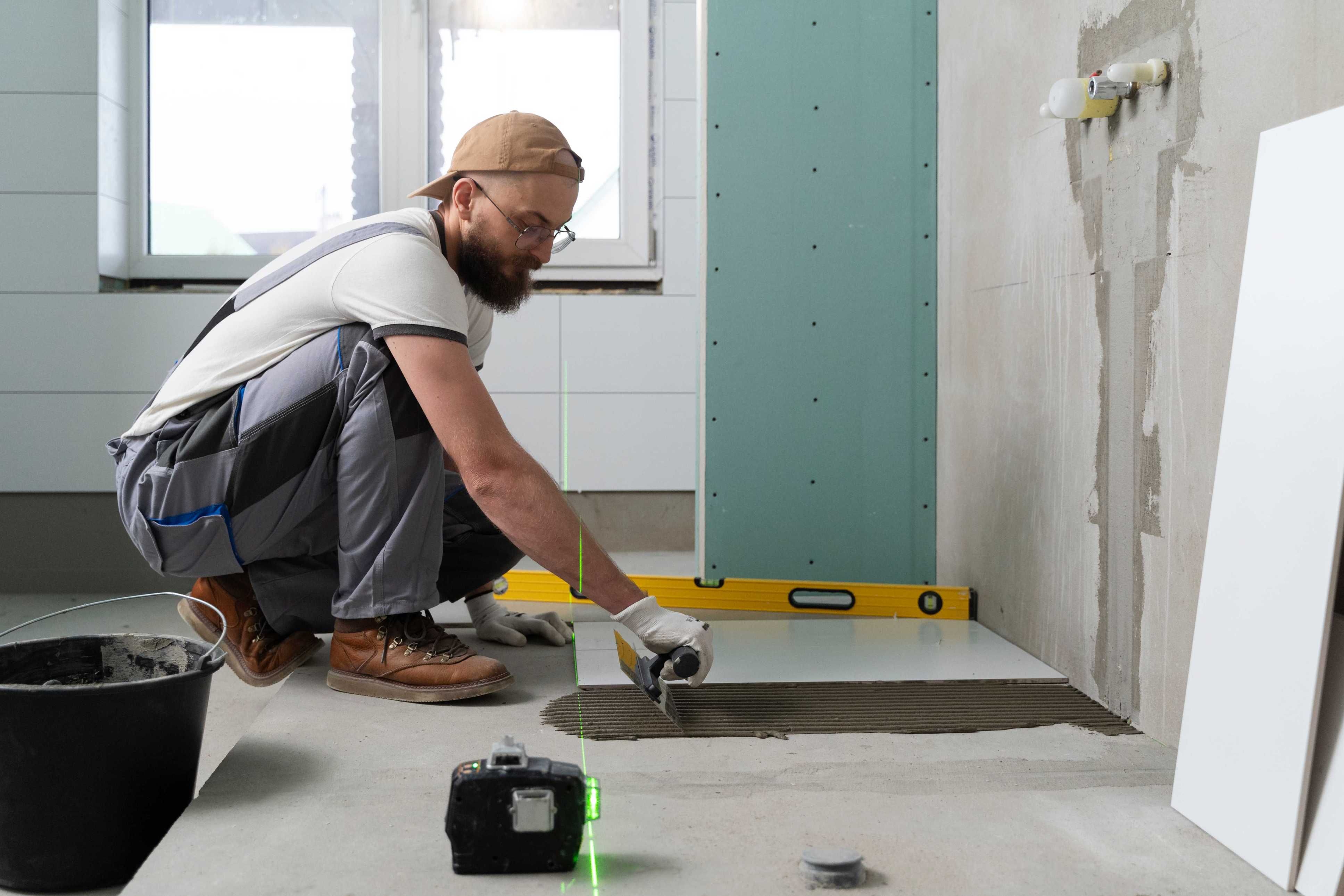
A Step-by-Step Guide to Planning Your First Bathroom Renovation
Bathroom renovation for beginners can be daunting. From choosing tiles, matching fixtures, along with budget constraints can be overwhelming. This is why consulting with an expert can help you plan out the renovation. Addressing renovating needs and process step by step can help to bring a clear picture in action. The right approach can make the process a lot fun and exciting.
It doesn't matter if you want to install a walk-in shower or update fixtures or give the space a new, refreshed look, this guide featuring bathroom renovation Burlington will keep things going smoothly.
Before the Dust: Preparing for Your First Bathroom Renovation
Bathroom renovation starts with a clear plan. Without planning your project may lead to delays, unexpected costs, or even damage. The project involves dealing layout, materials, schedules, and even the timeline. Each of these requires attention.
A bathroom renovation is the perfect way to make your space beautiful and functional. It’s not only about snagging the perfect sink, faucet, or tiles. Think about the vibe! You can create wonders with great lighting, smart storage, and ways to maximize the space to keep it functional and comfortable.
Understanding the scope early helps define if the renovation includes full replacement or just targeted updates. Begin by setting achievable goals and timeframes. Determine whom to include and the budget that feels appropriate.
Essential Steps to Remodel a Bathroom with Confidence
Identify What is not Working: Maybe you’re out of spots to stash your stuff, or the shower’s giving you attitude. Could be the layout’s a mess, or you’re wondering about water damage hiding out. Identifying these issues makes it easier to plan with purpose.
Take a look at how the room is utilized. Do you want it to be a bustling family space or a guest bathroom, or a private space? Each purpose brings different design needs. A walk-in shower may suit aging homeowners. Families might need double sinks and more storage.
Function leads design. This means mapping the room’s use before choosing finishes. It also helps to gather reference images or make a vision board. These tools support communication with contractors or designers later.
Set a Budget with Room for Flexibility: Costs for renovations can vary based upon the choices you make. But even small updates require a budget. Determine what you can comfortably invest. Then add 10-15% as a buffer for unexpected costs.
Materials, labor, and plumbing adjustments are among the greatest costs. Flooring tiles, bathroom fixtures, as well as faucets and sink options could alter your budget. Do not choose the most expensive products first. Concentrate on finding a balance between durability and quality.
Don't compromise the quality of your electrical and plumbing work over price. These are foundational and expensive to redo later. Also, ask your bathroom renovation contractor Burlington to provide a breakdown of costs. This helps in adjusting plans without compromising the overall design.
Focus on Function and Flow First: A well-planned layout supports ease of use. Consider how you move through the space daily. Is the toilet in the right spot? Is the shower wall too close to the door? Does the vanity provide enough elbow space?
Maintain fixtures within reach of the plumbing lines whenever it is possible. This reduces costs and complications. Moving the tub or toilet often increases labor and risks.
Also think vertically. Wall-hung vanities, tall storage units, or shelving can increase functionality. Every square foot counts. An efficient layout always matters more than trend-based features.
Choose Finishes That Last: Finishing materials create the room’s personality. But they also impact maintenance and comfort. Choose moisture-resistant and easy to clean materials. Besides, pick non-slip tiles for the flooring, sealed counter tops, and durable paint.
Use natural tones to get a classic bathroom style. However, accents like bold mirrors or patterned tile bring personality. Lighting should not be overlooked. Task lights around the mirror and ambient lights above offer both form and function.
Hardware, such as shower control knobs, towel bars, and drawer pulls adds a touch of class. These small details make the room appear complete and not exceed your budget.
Schedule Smartly and Prepare for Disruption: Once designs are finalized, set a schedule. The typical renovation project timeframes are between 2 to 6 weeks. This depends on complexity and material availability.
Always have a backup plan if this is your home’s only bathroom. Ask the contractor for regular progress updates. Delays happen, whether from supply, shortages, or weather, but clear communication helps ease stress.
It also helps to clear the space early. Remove personal items. Cover adjacent floors. Confirm contractor access, parking, and work hours. Good preparation ensures the build phase flows without major disruptions.
Pay Attention to the Final Details: The final step involves painting the walls, caulking and putting in trim. These final elements make the whole project complete. Inspect the space carefully before final payments are made.
Test each feature, turn faucets on, flush toilets, and try the shower control. See if there are leaks or loose fittings and gaps between caulking. Even the smallest of issues can result in permanent damage if they are not addressed.
Get all maintenance and warranty information in written form. This is helpful in the event that repairs are required. It is also a good idea to look over the entire scope of the project and make sure that everything was completed.
Final Thought: A Renovation Built to Last
If you are planning bathroom renovation Burlington trust is more important than good taste. It requires structure, thought, and patience. Each step, from defining goals to completing finishing touches, affects how the space will serve your household.
This guide does not promise shortcuts. It is an approach toward achieving results that feel like personal and purposeful. A properly planned project will enhance the look of your bathroom and the daily routines. Once the project is completed, you will realize that every moment and dollar you put in was worth investing.
Appreciate the creator