A Complete Guide to Vehicle Fluids Every Car Owner Should Understand
Saudi Arabia puts cars through demanding conditions. The summer heat, traffic jams in Riyadh and Jeddah, dusty roads, and long highway trips all make regular maintenance a concern. Being aware of what these fluids do, what to watch out for, and when to seek professional assistance will help avoid unnecessary repairs and make driving safer.
1. Engine Oil: Protection for Moving Parts
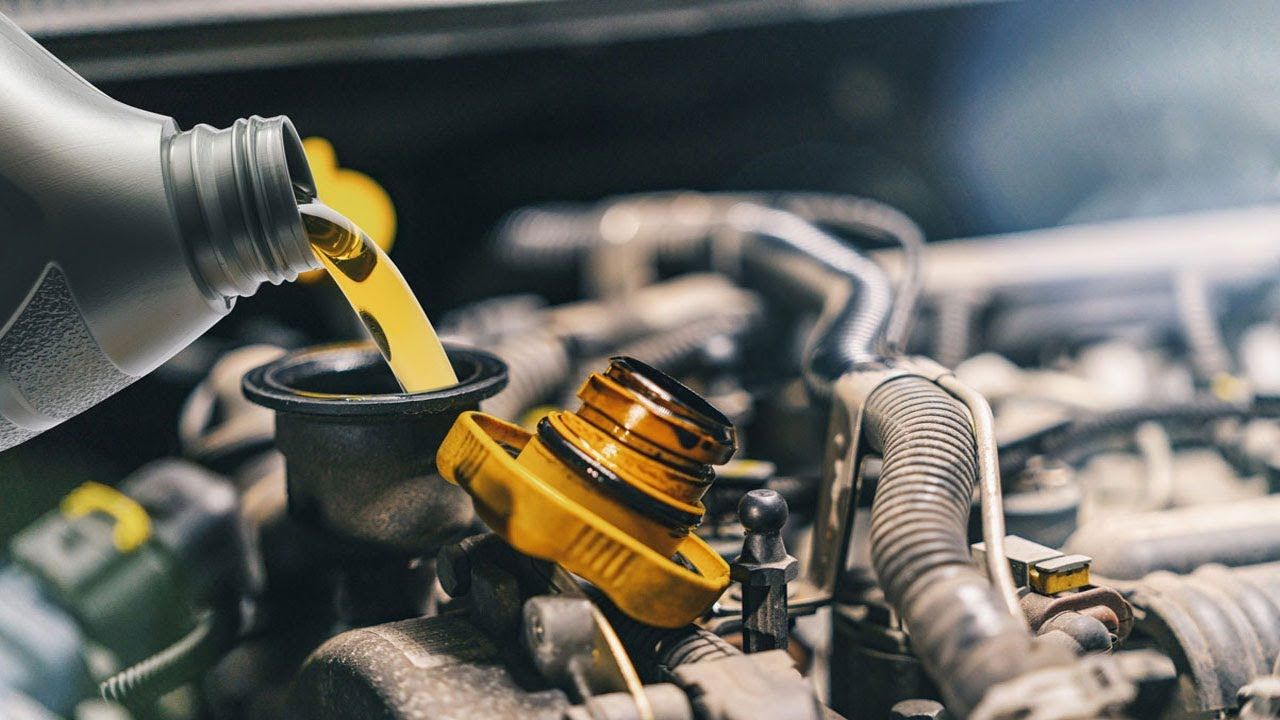
Pistons, bearings, and other moving parts are lubricated with engine oil. It also aids in heat removal, contaminant suspension, and internal wear reduction. Damage to the engine can be caused by low or overdue oil.
Check the dipstick as per your car owner’s manual, and normally when the car is parked flat and the engine is off. Watch for an oil-pressure warning light, any noticeable leaks, or any odd engine sounds. The mere presence of dark oil does not indicate that it should be changed, especially in diesel engines.
For drivers comparing engine oils sold in KSA, viscosity is just one factor in the choice. For example, the store has Atlantic Synthetic Motor Oil SAE 10W-30 API SN/CF (https://atlanticoilstoreksa.com/collections/lubricant-products/products/atlantic-synthetic-motor-oil-sae-10w-30-api-sn-cf), but it will only work well when your vehicles meet these requirements for viscosity and performance. The hot weather in Saudi does not necessarily require thicker oil. Adhere to the manufacturer’s mileage or time-based service schedule and any severe-use recommendations.
2. Radiator Coolant: Keeping Temperatures Under Control
Engine coolant flows through the cooling system, absorbs heat, and helps prevent corrosion of metal parts. This is important during traffic jams and on highways.
When the engine is fully cooled, check the expansion tank level and look for repeated losses, wet hoses, or puddles under the car. An increase in the temperature indicator, steam, or a sweet odor can indicate trouble. If the engine overheats, pull over and turn it off. Never open a hot radiator or pressurized coolant cap.
The shop stocks Atlantic Radiator Coolant Green 50% (https://atlanticoilstoreksa.com/collections/coolant-antifreeze/products/atlantic-radiator-coolant-green-50), an easy-to-use coolant. But coolant colors are not a good predictor of chemical compatibility. Select the formulation that best fits your vehicle’s needs, and do not mix types you are not familiar with. Change the coolant according to the manufacturer’s schedule; any continuous losses should be diagnosed.
3. Transmission Fluid: Helping Gears Operate Smoothly
The transmission fluid lubricates and, in most automatic gearboxes, it also helps manage hydraulic pressure and shifting. Late gear engagement, slipping, rough shifts, or new leaks are worth noticing.
There is no single fluid for every transmission. Conventional automatics, continuously variable transmissions (CVTs), dual-clutch units, and manual gearboxes may all have different requirements. The store listsAtlantic ATF Dexron III (https://atlanticoilstoreksa.com/products/atlantic-atf-dexron-iii) for systems that specify the standard, andAtlantic Synthetic CVT Fluid (https://atlanticoilstoreksa.com/products/atlantic-synthetic-universal-cvt-fluid) for certain compatible CVTs. Neither fits every vehicle.
Some workshops do transmission work where the dipstick is not readily available, as well as level checks. Follow the transmission service schedule and have any issues with shifting professionally checked.
4. Brake Fluid: Essential for Stopping Safely
Pedal pressure is conveyed in the hydraulic braking system by the brake fluid. The majority of DOT 3 and DOT 4 fluids absorb moisture over time, which can lower their boiling point and reduce braking performance in extreme conditions.
The pedal appears spongy; if there is a warning light, a visible leak, or a dropping reservoir level, inspect it immediately. Brake-pad wear may also be accompanied by low fluid, and so just topping it up can conceal an issue. In case braking does not seem safe, do not drive.
For vehicles that particularly need DOT 3, Atlantic Brake Fluid DOT 3 (https://atlanticoilstoreksa.com/collections/brake-fluids/products/atlantic-freno-brake-fluid-dot-3) is on the list. Do not ever presume that DOT grades can be interchanged, and do not ever confuse silicone-based DOT 5 with traditional glycol-based fluids. Replacement of fluid, as per the owner’s manual, by a person capable of bleeding and properly checking the system.
5. Power Steering Fluid: For Easier Steering
Older hydraulic power-steering systems apply pressure using fluid to aid steering. Whining when turning, unusually heavy steering, or leakage around the pump and hose may indicate a problem.
Only if your vehicle has a reservoir, make sure you check it and use the precisely specified fluid. There are hydraulic systems that require a special automatic transmission fluid and others that require a special steering fluid. Most of the more recent cars have electric power steering and no steering-fluid reservoir whatsoever. Never put fluid where there is no hydraulic system.
6. Differential and Gear Oil: Supporting the Drivetrain
To protect teeth and bearings under heavy loads, gear oil is contained in differentials and some manual gearboxes or transfer cases. This is especially important for SUVs and four-wheel-drive vehicles that are operated on rough terrain or carry heavy loads.
A whining, rubbing, or greasy spot around an axle housing may indicate a problem. Gear oil service intervals depend on the vehicle.
Among the listed ones is Atlantic Top Gear Oil SAE 90/140 API GL-5 (https://atlanticoilstoreksa.com/collections/transmission-fluid/products/atlantic-top-gear-oil-sae-90-140-api-gl-5-4l). Only if viscosity and specification are needed should this be considered. Some manually driven transmissions require different formulations and therefore do not choose the differential oil based solely on thickness.
7. Windshield Washer Fluid: Small Detail, Clearer Vision
Dust on the road and insects may easily decrease visibility, particularly when driving between cities. Wiper fluid helps the wipers wash contamination off the glass without dragging dry grit along.
Refill when the spray weakens, or the reservoir warning appears; however, ensure there is no nozzle blockage or leakage if it empties too soon. Atlantic WindShield Cleaning Fluid (https://atlanticoilstoreksa.com/collections/atlantic-car-care/products/atlantic-wind-sheild-cleaning-fluid-60ml) is a washer fluid in concentrate form; hence, adhere to its dilution guidelines. Do not add engine coolant or household detergents in the washer tank.
8. A/C Refrigerant and Diesel Exhaust Fluid: Special Cases
The heat in the cabin is removed by A/C refrigerant. A leak is one possible cause of weakened cooling, but other causes, such as filters, fans, and other faults, can lead to similar symptoms. Refrigerants must be maintained under pressure and not regularly refilled at home, as this may be dangerous.
There are also new diesel models that run on diesel exhaust fluid, sometimes referred to as AdBlue or DEF, to reduce exhaust emissions. A dashboard warning can indicate a low DEF level. It is required only in vehicles with the appropriate system and is not found in the diesel fuel tank, but rather in its dedicated tank.
A Simple Fluid-Check Routine for KSA Drivers
Check what your manual can before you have to drive long distances between Riyadh and Dammam, or even take a summer family trip: check engine oil, the coolant expansion tank when cold, and the washer fluid, and any obvious leaks. Pay attention to warning signs on the dashboard and to changes in braking, steering, or shifting. Record service dates and kilometers.
Not all reservoirs are to be opened or filled up by the owner. The type of fluid to be used, inspection mode, and replacement frequency vary by model, engine, and transmission. If in doubt, refer to the owner’s manual or seek advice from a certified mechanic. Compatible products and taking care of any leaks before they get out are worth more than purchasing a fluid because its label is appropriate.
Knowing these vehicle fluids will help KSA drivers identify issues early, confidently plan their maintenance, and protect their vehicles during daily trips and harsh weather.
Appreciate the creator