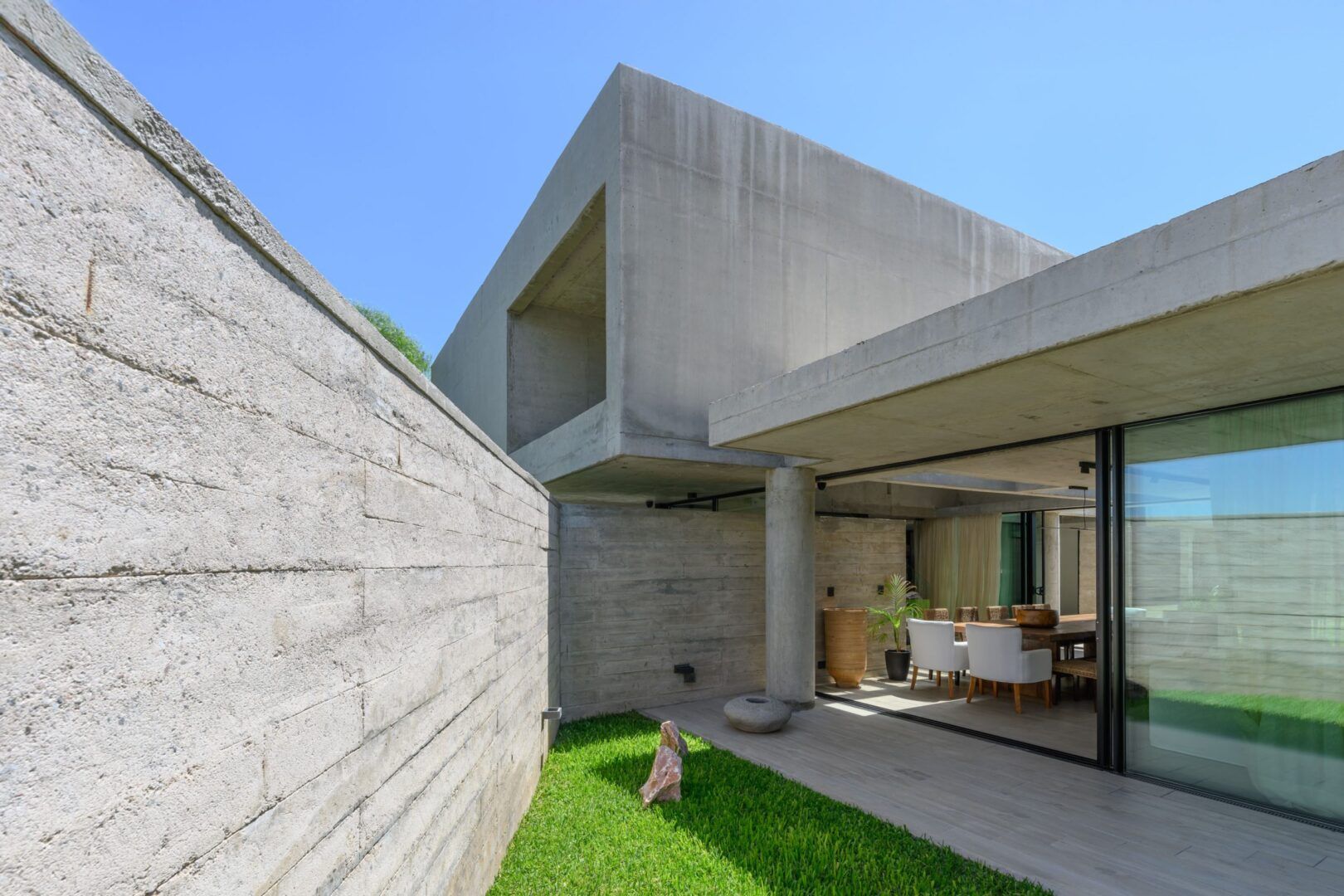
A Complete Guide to Concrete Structure Design in Modern Construction
Concrete structure design plays a vital role in modern construction. It ensures that buildings, bridges, and other infrastructures remain strong, safe, and durable over time. From residential homes to large commercial projects, proper design techniques help engineers create structures that can withstand environmental forces and heavy loads.
Understanding Concrete Structure Design
Concrete structure design involves planning and analyzing structural elements made from concrete, such as beams, columns, slabs, and foundations. Engineers consider factors like load-bearing capacity, material strength, and environmental conditions. The goal is to create a structure that performs efficiently while maintaining safety standards.
Concrete is widely used due to its high compressive strength, versatility, and cost-effectiveness. However, it is weak in tension, which is why reinforcement with steel bars is essential. This combination creates reinforced concrete, a material capable of handling both compressive and tensile forces.
Key Elements of Structural Design
Several critical elements are considered during the design process:
Load Analysis: Engineers calculate different types of loads, including dead loads (permanent weight), live loads (temporary forces), and environmental loads like wind or earthquakes.
Material Selection: The quality of concrete and reinforcement materials directly affects the structure’s strength and durability.
Structural Stability: Ensuring that the structure remains stable under all conditions is a top priority.
Safety Factors: Design codes include safety margins to account for uncertainties in materials and construction practices.
A professional Structural inspection Company often reviews these factors during or after construction to ensure compliance with safety standards.
Design Process and Planning
The design process begins with site analysis and project requirements. Engineers evaluate soil conditions, climate, and intended use of the structure. Based on this information, they create detailed structural drawings and calculations.
Modern design relies heavily on software tools that allow engineers to simulate loads and analyze performance. These tools improve accuracy and help identify potential issues before construction begins. However, practical knowledge and engineering judgment remain equally important.
Importance of Reinforcement
Reinforcement is a key aspect of concrete structure design. Steel bars or mesh are embedded within the concrete to improve its tensile strength. The placement, size, and spacing of reinforcement must be carefully calculated to ensure optimal performance.
Poor reinforcement design can lead to cracks, structural failure, or reduced lifespan. This is why regular evaluations by a Structural inspection Company are essential, especially for older buildings or structures exposed to harsh conditions.
Durability and Sustainability
Durability is a major concern in concrete design. Structures must resist weathering, chemical exposure, and wear over time. Engineers use protective coatings, proper curing methods, and high-quality materials to enhance durability.
Sustainability is also becoming increasingly important. Modern practices focus on reducing the environmental impact of concrete by using recycled materials, optimizing design to reduce waste, and improving energy efficiency during production.
Common Challenges in Concrete Design
Despite its advantages, concrete structure design comes with challenges. Cracking due to shrinkage or temperature changes is common. Poor construction practices can also affect the final outcome. Additionally, environmental factors like moisture and corrosion can weaken the structure over time.
To address these issues, engineers follow strict design codes and standards. Regular maintenance and inspections further help in identifying and resolving problems early.
Conclusion
Concrete structure design is a complex yet essential aspect of construction. It combines engineering principles, material science, and practical experience to create safe and durable structures. With advancements in technology and increased focus on sustainability, the field continues to evolve. By following proper design practices and ensuring regular inspections, engineers can build structures that stand the test of time.
Appreciate the creator