6 Possible Reasons You Might Be Dealing With a Pest Infestation
Pests are unwelcome guests that can wreak havoc on our homes and businesses. Dealing with a pest infestation can be a frustrating and stressful experience. To effectively address the problem, it's important to understand the potential reasons behind a pest infestation. In this article, we will explore six possible causes that might be attracting pests to your living or working space. By identifying these reasons, you can take proactive measures to prevent and manage pest infestations effectively.
Introduction
Having pests in your home or workplace can be a nuisance, affecting your comfort and overall well-being. It's essential to identify the underlying causes of a pest infestation to address the issue at its root. Let's dive into the factors that commonly contribute to pest problems.
Understanding Pest Infestations
Before delving into the reasons behind a pest infestation, let's first define what it entails. A pest infestation refers to the invasion of pests, such as insects, rodents, or other animals, in a living or working space. These pests can cause damage, spread diseases, and compromise the safety and hygiene of the environment.
2.1 Definition of Pest Infestation
A pest infestation occurs when a significant number of pests invade a space, leading to an imbalance and potential harm to humans, property, or both. It's important to recognize the signs of an infestation early on to minimize the damage and address the issue promptly.
2.2 Common Types of Pests
There are various types of pests that can infest a property. Common examples include rodents like mice and rats, insects like cockroaches and ants, and flying pests like mosquitoes and flies. Understanding the specific pests you're dealing with can help tailor your pest control efforts more effectively.
Signs of a Pest Infestation
Detecting a pest infestation in its early stages is crucial for prompt action. Here are some common signs to watch out for:
3.1 Physical Damage
Pests can cause visible damage to your property, including chewed wires, gnawed furniture, or shredded fabric. Keep an eye out for such signs, especially in hidden areas or corners.
3.2 Pest Droppings
Pest droppings are another telltale sign of an infestation. Look for droppings in cupboards, along baseboards, or near food storage areas. Different pests may leave distinct droppings, helping you identify the specific pest involved.
3.3 Unusual Odors
Certain pests emit distinct odors, which can indicate their presence. If you notice foul or musty smells that you can't attribute to anything else, it's worth investigating further.
Potential Reasons for Pest Infestation
Understanding the reasons behind a pest infestation can help you address the issue effectively. Here are six common factors that attract pests:
4.1 Poor Sanitation Practices
Inadequate sanitation practices, such as leaving food debris or not properly disposing of garbage, can attract pests. Ensure you maintain cleanliness and promptly clean up any spills or food remnants.
4.2 Clutter and Untidiness
Pests thrive in cluttered environments, as it provides them with hiding places and potential nesting sites. Regularly declutter and organize your space to minimize potential hiding spots for pests.
4.3 Gaps and Cracks in Buildings
Small openings, gaps, or cracks in walls, floors, or foundations can serve as entry points for pests. Seal these gaps to prevent easy access for pests.
4.4 Food and Water Sources
Pests are attracted to easily accessible food and water sources. Ensure that food is stored properly in sealed containers and fix any leaks or plumbing issues to eliminate water sources.
4.5 Nearby Green Spaces
Proximity to green spaces like gardens or parks can increase the likelihood of pest infestations. While green spaces are beneficial, be mindful of potential pest issues they may introduce.
4.6 Climate and Seasonal Factors
Certain pests are more active during specific seasons or thrive in particular climates. Understanding these factors can help you anticipate and address potential pest problems effectively.
The Dangers of Pest Infestations
Pest infestations pose several risks that can impact your health, property, and finances. Here are some potential dangers associated with pests:
5.1 Health Risks
Many pests carry diseases and pathogens that can be transmitted to humans. Examples include mosquitoes spreading malaria and rodents carrying Hantavirus. Protecting your health and the well-being of those around you is crucial.
5.2 Structural Damage
Some pests, such as termites, can cause significant damage to the structure of buildings. Their constant chewing and nesting activities can weaken the integrity of wooden structures, leading to costly repairs.
5.3 Financial Consequences
Dealing with a pest infestation can result in financial burdens. From property damage to medical expenses, the costs associated with pest-related issues can add up quickly.
Preventing and Managing Pest Infestations
Taking preventive measures is key to minimizing the risk of a pest infestation. Here are some effective strategies:
6.1 Regular Cleaning and Sanitization
Maintaining cleanliness and proper hygiene practices is crucial in deterring pests. Regularly clean your living or working space, paying attention to potential problem areas.
6.2 Proper Waste Management
Dispose of waste properly and promptly. Use tightly sealed trash cans and regularly empty them. Avoid leaving garbage bags or organic waste exposed for extended periods.
6.3 Sealing Entry Points
Identify and seal any openings or cracks that pests could use to enter your property. This includes gaps in windows, doors, and foundations.
6.4 Eliminating Food and Water Sources
Remove potential food and water sources that attract pests. Store food in airtight containers, fix leaks, and address any moisture issues promptly.
6.5 Consulting Pest Control Professionals
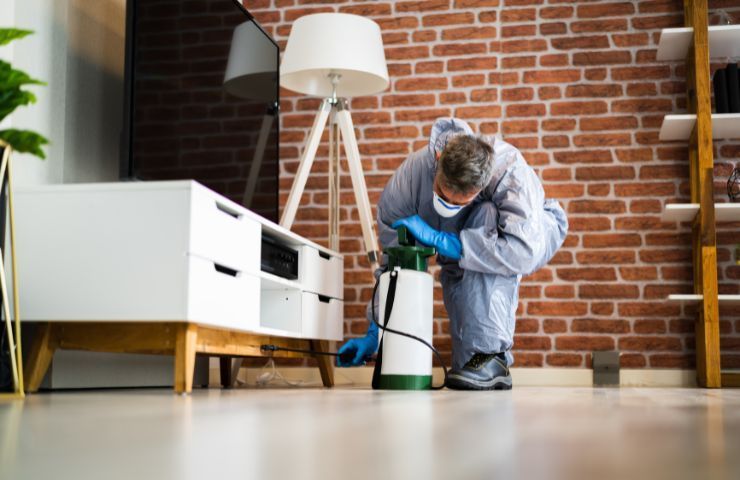
If you're dealing with a persistent or severe infestation, it's best to seek professional pest control services. They have the expertise and resources to effectively manage the situation.
Conclusion
Pest infestations can disrupt our homes and workplaces, but understanding the underlying reasons can empower us to prevent and manage them effectively. By addressing sanitation practices, sealing entry points, and eliminating attractants, we can minimize the risk of pest problems. Remember, if you're facing a significant infestation, it's wise to consult professionals who can provide tailored solutions.
FAQs
Q1. How long does it take to eliminate a pest infestation?
The time required to eliminate a pest infestation depends on various factors such as the type of pest, the severity of the infestation, and the chosen treatment methods. It's best to consult a pest control professional who can assess the situation and provide an estimated timeline.
Q2. Are DIY pest control methods effective?
While some DIY methods can provide temporary relief, they may not address the root cause of the infestation. DIY methods are more suitable for minor pest issues. For significant or recurring infestations, it's recommended to seek professional assistance.
Q3. Are pest control chemicals harmful to humans and pets?
Pest control chemicals, when used correctly and in accordance with instructions, pose minimal risks to humans and pets. However, it's essential to follow safety precautions and keep children and pets away from treated areas until it's safe.
Q4. Can pests cause allergies?
Yes, pests like cockroaches and dust mites can trigger allergies and asthma symptoms in some individuals. Their droppings and shed skin can become airborne and irritate the respiratory system.
Q5. How often should I schedule pest inspections?
Regular pest inspections are essential to detect early signs of infestation and prevent potential problems. The frequency of inspections depends on factors such as the location, the type of property, and any previous pest history. It's advisable to consult a professional for personalized recommendations.
Appreciate the creator