5 Most Dangerous Yet Beautiful Flowers in the World
Flowers are often seen as symbols of beauty, love, and positivity — but not all of them are as harmless as they appear. Some of the most stunning blooms actually contain toxic compounds that can pose serious risks to both humans and animals.
If you enjoy exploring flowers, you might have already read about the most beautiful flowers or discovered fragrant blooms in the guide to the best smelling flowers in the world. While those highlight the pleasant side of florals, it’s equally important to understand that some flowers are best admired from a safe distance.
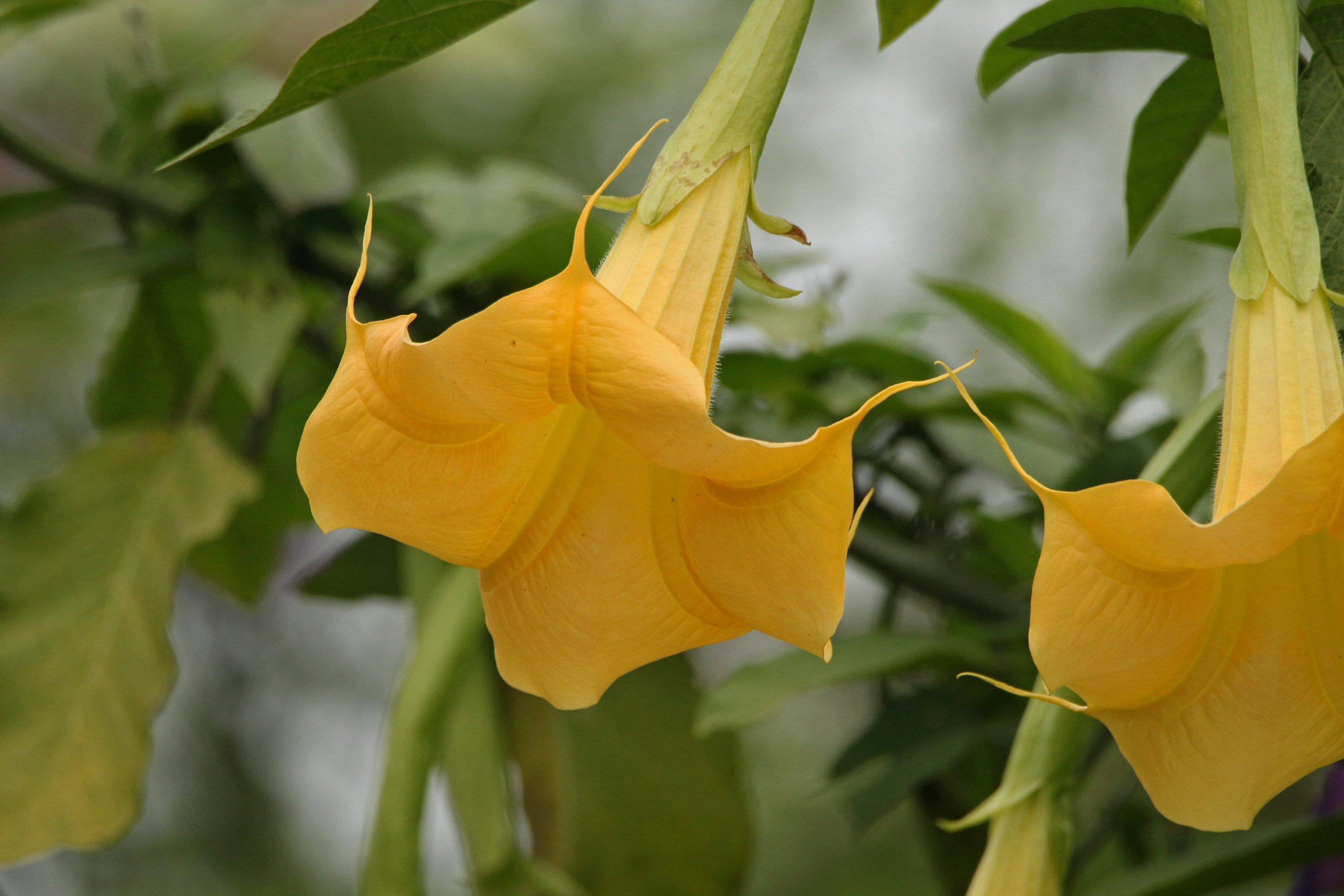
Angel’s Trumpets (Scientific Name: Brugmansia)
Angel’s Trumpet is undeniably eye-catching, with its large, hanging blooms and intoxicating fragrance. Native to South America, it comes in shades of white, yellow, pink, and orange, making it a favorite among ornamental plants.
However, beneath its beauty lies a serious risk. This plant contains toxic alkaloids that can cause hallucinations, confusion, and memory loss. In severe cases, exposure can even be life-threatening. What makes it more concerning is that poisoning can occur not just through ingestion but also through touch or inhalation.
For those who love fragrant flowers but want safer options, exploring naturally pleasant blooms featured in the best smelling flowers guide can help you choose beauty without risk.
Oleander (Scientific Name: Nerium)
Oleander is widely used in landscaping due to its vibrant colors and ability to thrive in harsh conditions. You’ll often find it lining roadsides or enhancing garden aesthetics.
But this beauty comes with a warning. Oleander contains cardiac glycosides that can interfere with heart function. Even contact with the plant’s sap can lead to symptoms such as dizziness, nausea, or irregular heartbeat.
If you’re decorating your home or garden, it’s always safer to take inspiration from ideas shared in flowers for decoration, where you can find visually appealing yet safe floral choices.
Snake’s Head Fritillary (Scientific Name: Fritillaria Meleagris)
The Snake’s Head Fritillary is known for its unique checkered petals, giving it a distinct and artistic appearance. Found in damp grasslands across Europe and Asia, it’s admired for its unusual bell-shaped blooms.
Despite its charm, the plant’s bulb contains toxic alkaloids, making it unsafe if ingested. Its rare look often attracts attention, but it’s best admired without contact.
If you’re fascinated by rare flowers, you might enjoy reading about the rarest flower on earth, which explores unique blooms without the same level of danger.
Star Of Bethlehem (Scientific Name:Ornithogalum)
With delicate white petals that open during the day and close at night, the Star of Bethlehem symbolizes purity and hope. It’s often used in floral arrangements, especially during festive seasons.
However, all parts of this plant are toxic to humans and animals. It contains compounds similar to alkaloids and is sometimes mistaken for wild onion, increasing the risk of accidental ingestion.
For pet owners, it’s important to understand flower safety, and guides like flowers poisonous to cats can help you make informed choices at home.
Belladonna (Scientific Name: Atropa Belladonna)
Belladonna, also known as Deadly Nightshade, is one of the most infamous toxic plants in history. Native to Europe, North Africa, and Western Asia, it has long been associated with both medicine and danger.
Historically, it was used cosmetically to dilate pupils, but often caused serious side effects like vision damage or blindness. Today, it is recognized as highly toxic, with even small amounts capable of causing severe symptoms such as increased heart rate, confusion, and potentially fatal outcomes.
Interestingly, while some plants are dangerous, others have beneficial uses when handled properly. You can learn more about this in flowers used for medicine and cosmetics, which highlights the positive side of botanical science.
Why Are Some Flowers Poisonous?
Plants produce toxic chemicals like alkaloids and glycosides as a defense mechanism against predators, insects, and environmental threats. While these compounds help plants survive, they can be harmful to humans when touched or consumed.
At the same time, flowers also have a powerful positive impact on our lives. In blogs like how flowers make us happy show how safe, carefully chosen blooms can improve mood and well-being.
Final Thoughts: Admire with Awareness
Flowers can bring beauty, joy, and meaning into our lives but it’s important to remember that not all blooms are safe to handle. Some are best admired from a distance.
Originally published at https://www.southsideblooms.com.
Appreciate the creator