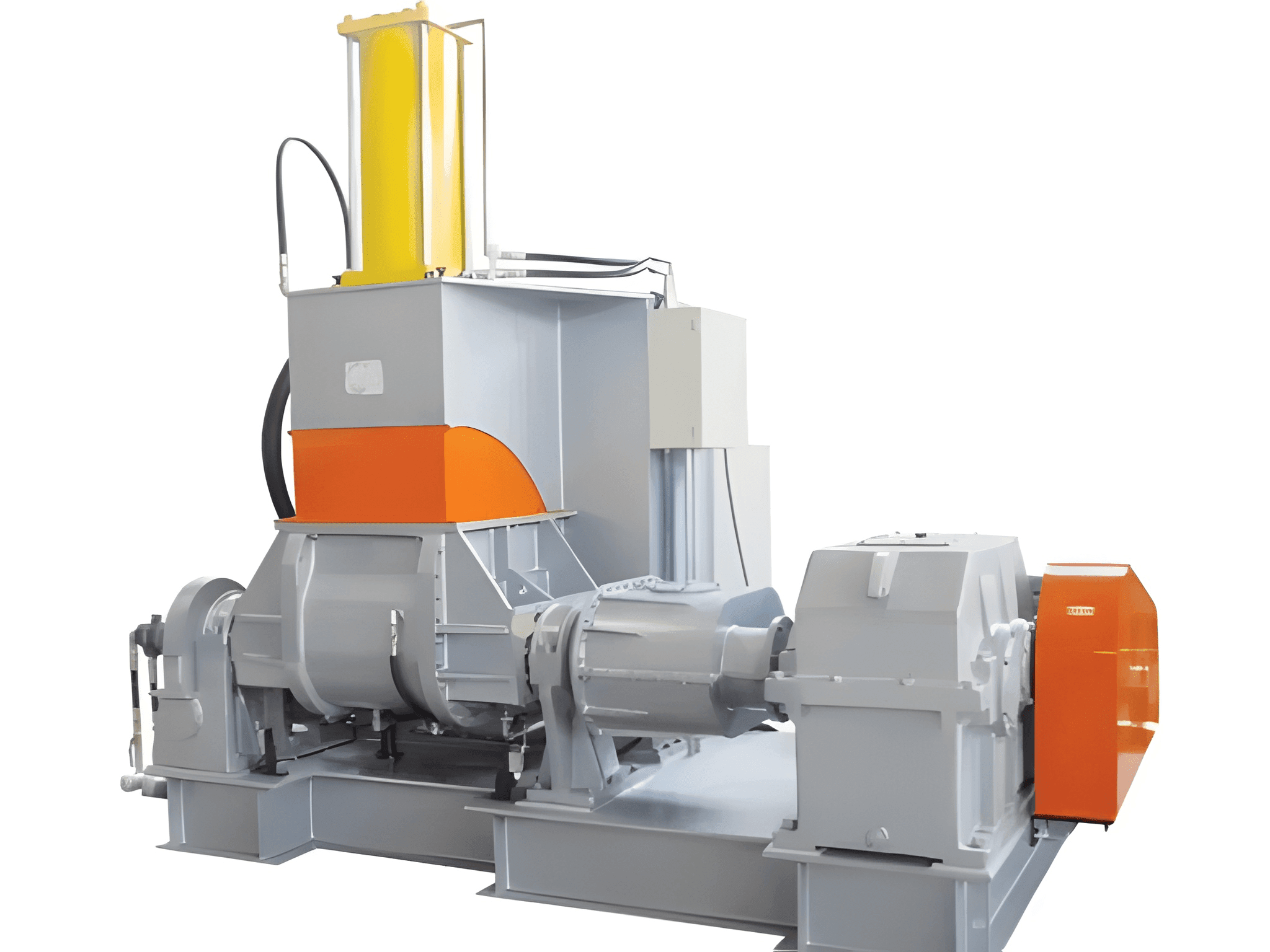
35L vs 55L vs 75L Rubber Kneader: Which Size is Best?
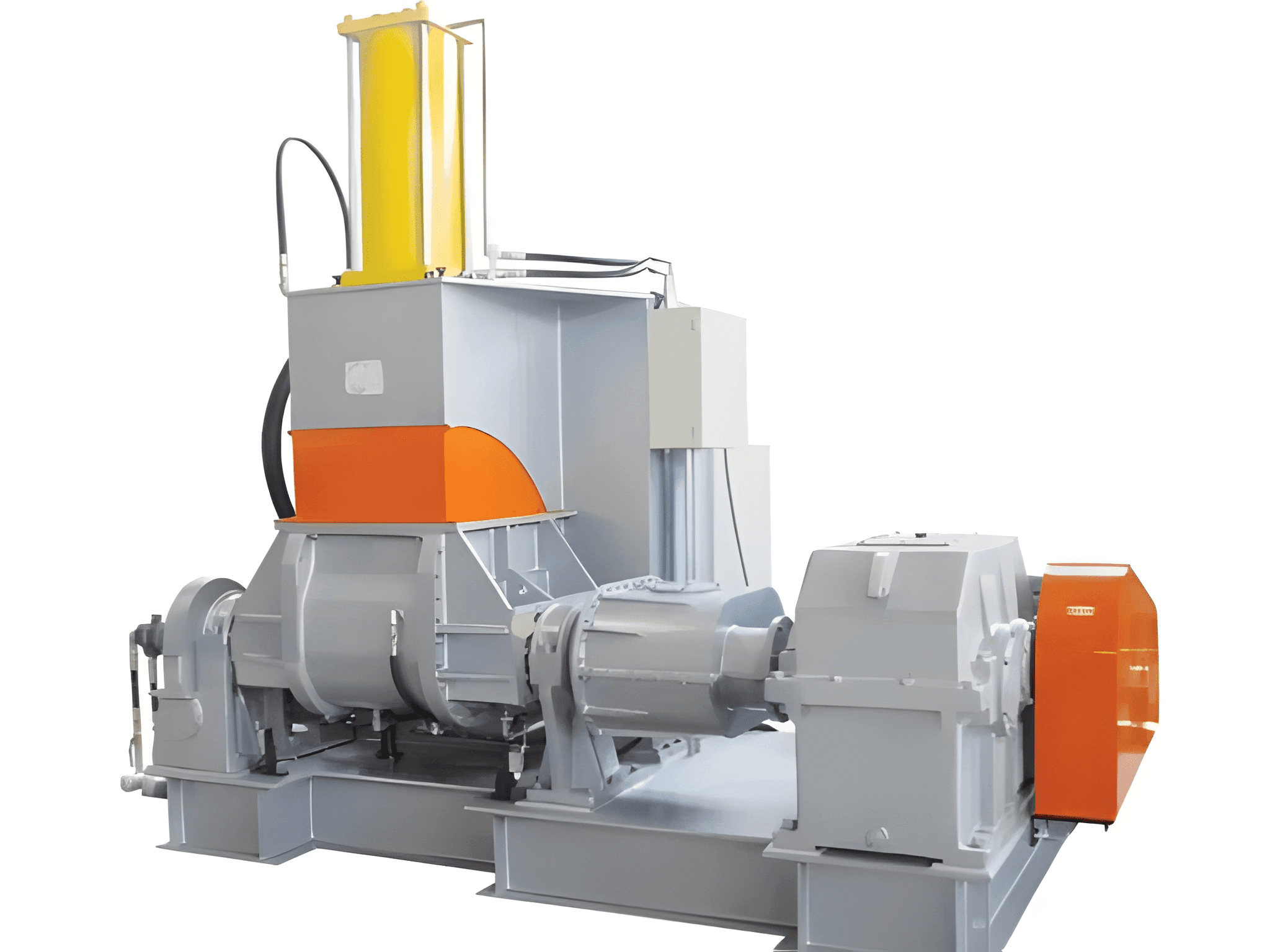
Inside rubber manufacturing plants, kneader size is often treated as a simple capacity decision. On actual production floors, however, kneader volume is usually linked with compound behavior, energy efficiency, operator utilization, batch consistency, and long-term expansion strategy. A machine selected only by chamber size may operate successfully for a few months, but production limitations are often discovered once order volumes increase.
For manufacturers comparing industrial machinery, refurbished processing systems, and factory planning strategies, technical references are often reviewed through https://vatsntecnic.com/ before final investments are approved.
Among the most commonly selected kneader capacities, 35L, 55L, and 75L machines are frequently discussed. Each size serves a different production model, and each machine performs differently under real compound loading conditions.
The better machine is rarely determined by chamber volume alone.
Understanding What Kneader Capacity Really Means
Kneader capacity is usually measured by chamber volume, but actual output is influenced by fill factor, polymer density, filler loading, rotor geometry, and discharge efficiency.
A 35L chamber does not automatically produce 35 kilograms.
A 75L chamber does not automatically guarantee better profitability.
Effective batch utilization is usually determined by:
Compound viscosity
Rotor speed
Chamber pressure
Cooling efficiency
Batch discharge speed
If fill factor is ignored, productivity assumptions may become inaccurate.
35L Rubber Kneader: Best for Flexible and Development-Based Production
A 35L rubber kneader is often selected for:
Product development
Specialty compounds
Color masterbatch preparation
Footwear compounds
Laboratory-scale commercial production
Because smaller chambers are used, faster formulation changes are often possible.
Operator visibility and process control are also commonly improved.
The 35L machine is usually preferred when:
Production batches are limited
Compound variations are frequent
Startup budgets are controlled
Floor space is restricted
Entrepreneurs entering the rubber or tyre sector often study production planning through https://vatsntecnic.com/how-to-start-tyre-manufacturing-business-in-low-budget/ before selecting smaller machinery platforms.
Limitations of 35L Systems
If high-volume orders are received, multiple batches may be required.
Labor dependency may therefore increase.
Energy cost per kilogram may also rise in continuous production environments.
55L Rubber Kneader: Balanced Capacity for Growing Factories
A 55L rubber kneader is often considered the most balanced industrial option.
This machine is commonly selected for:
Medium-scale tyre production
Automotive rubber components
Hose and belt compounds
General industrial rubber processing
Because chamber volume is larger, better output can usually be achieved without excessive floor space requirements.
Production flexibility is often maintained while capacity is increased.
The 55L machine is frequently preferred when:
Demand is growing steadily
Batch repeatability is required
Operator efficiency must improve
Future automation is being planned
In many growing factories, this size is often viewed as the safest investment.
75L Rubber Kneader: Designed for High-Output Production
A 75L rubber kneader is typically selected for:
High-volume tyre manufacturing
Conveyor belt compounds
Export-grade technical rubber goods
Continuous production lines
Because larger batch density is achieved, lower labor cost per kilogram is often possible.
Production downtime between batches may also be reduced.
The 75L machine is often justified when:
Multi-shift production is planned
Export demand is stable
Automated material handling is available
Compound formulations remain consistent
Limitations of 75L Systems
If production demand is inconsistent, chamber utilization may remain low.
If compound changeovers are frequent, cleaning and transition time may increase.
Overcapacity can sometimes reduce overall profitability.
Analyzing Material Requirements (Compounds and Viscosity)
Rubber compounds should always be evaluated before kneader size is selected.
Low-viscosity compounds may be processed efficiently in 35L or 55L systems.
Heavy formulations such as:
Carbon black tyre compounds
Silica-loaded tread compounds
EPDM industrial blends
NBR sealing compounds
Butyl retention compounds
usually demand stronger torque stability and better thermal management.
If compound viscosity is underestimated, incomplete dispersion may be created.
If excessive polymer shear is introduced, chain degradation may occur.
When closed mixing technologies are being compared, process references are often studied through https://vatsntecnic.com/difference-between-rubber-intermix-internal-mixer/ before chamber size is finalized.
Rotor design, chamber pressure, and batch density should always match polymer behavior.
Evaluating Technical Specifications (Automation and PLC Systems)
Machine size alone does not define performance.
Technical integration often determines real productivity.
Modern kneaders are often equipped with:
PLC-based control systems
HMI touchscreen interfaces
Torque monitoring sensors
Temperature feedback systems
Rotor speed control
Auto lubrication circuits
Hydraulic pressure monitoring
When automation is installed, batch repeatability is usually improved.
Operator variation is often reduced.
If downstream extrusion lines are connected, screw geometry should also be considered.
L/D ratios such as:
12:1 for standard feeding
16:1 for balanced throughput
20:1 or above for advanced homogenization
are commonly selected depending on polymer flow characteristics.
In molding operations, clamping force may range from:
100 tons for smaller components
250 tons for industrial applications
500 tons or above for large molded parts
If upstream mixing consistency is unstable, downstream process efficiency may also decline.
Total Cost of Ownership (Energy Efficiency and Maintenance)
Purchase price should never be treated as the final cost.
Long-term operating economics are often influenced by:
Motor efficiency
Rotor wear
Bearing temperature stability
Hydraulic reliability
Spare parts support
Service availability
35L Ownership Profile
Lower capital investment is usually required.
Batch flexibility is often excellent.
Labor cost per kilogram may increase at higher volumes.
55L Ownership Profile
Balanced energy efficiency is often achieved.
Maintenance cost usually remains manageable.
ROI is often strongest in mid-scale operations.
75L Ownership Profile
Higher initial investment is typically required.
Energy consumption per batch may be higher.
Cost per kilogram is often lower in continuous production.
If VFD motors and energy-efficient drives are installed, long-term power savings can become significant.
Machines supplied through experienced industrial partners such as Vatsn Tecnic are often evaluated not only for pricing, but also for service continuity and spare parts support.
Safety Compliance Should Never Be Overlooked
Kneaders operate under high torque, elevated pressure, and significant thermal load.
The following safety systems should always be verified:
Emergency stop systems
Chamber interlocks
Thermal overload protection
Electrical grounding
Hydraulic pressure monitoring
Operator guarding systems
If safety systems are incomplete, production risk may increase significantly.
Compliance upgrades after installation are often more expensive than preventive inspection.
Final Verdict: Which Size Is Best?
No universal answer can be given.
A 35L kneader is often best when:
Product development is frequent
Startup budgets are limited
Specialty compounds are being produced
A 55L kneader is often best when:
Production is scaling steadily
Balanced output is required
Flexibility and efficiency must coexist
A 75L kneader is often best when:
High-volume production is planned
Multi-shift operation is stable
Export-grade manufacturing is targeted
In industrial procurement, the larger machine is not always the smarter machine.
The right machine is usually the one that matches production reality, compound behavior, and long-term factory strategy.
Appreciate the creator