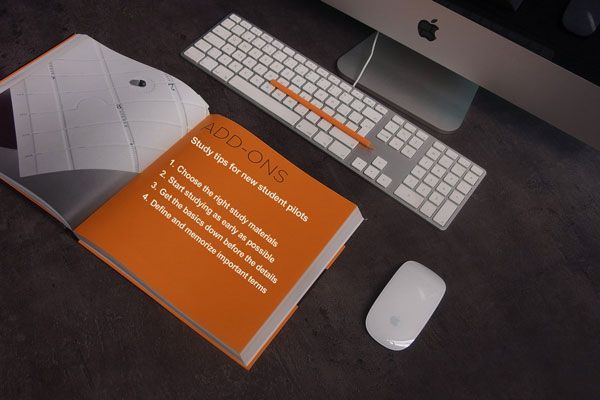
10 Study Tips for New Student Pilots.
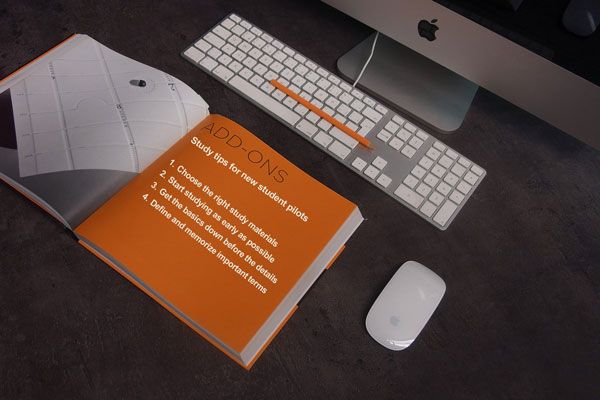
For those embarking on the journey of becoming a student pilot, the aviation industry demands a comprehensive understanding of aerodynamics, weather, phraseology, regulations, airport operations, aircraft systems, and procedures. While it may seem daunting, adopting the right study habits can make anything possible. Even the most experienced pilots continue to consider themselves lifelong learners. Therefore, developing good study habits is crucial for a new student pilot, and here are ten tips to get started
You can find out more free aviation resources from Wayman Aviation Academy. They are a flight school in Florida that provides the best aviation courses for both domestic and international students. Visit them for more such info that you will find helpful in your career journey as a pilot.
Choose the right study materials Selecting the appropriate study materials is essential for success as a student pilot. Seek recommendations from your Certified Flight Instructor (CFI) or store representative for the best books on the topic you are studying. If you find the material challenging to understand, try something else. Learning should be enjoyable, and it would be best to find a resource that works well for you.
Start studying early You do not need a CFI to start learning about flying. Grab a recommended book and begin reading as early as possible. Some concepts may be challenging to grasp, so leverage online resources such as YouTube to help you better understand. Do not pressure yourself to understand every detail immediately. Instead, take your time to grasp the fundamental concepts.
Get the basics down before the details Trying to learn every little detail about a topic can be overwhelming and time-consuming. Focus on understanding the basics first, then gradually build on that knowledge. Breaking down complex concepts into digestible parts can make them easier to remember and explain. Do not worry about missing out on any details; you can always revisit the topic later.
Define and memorize key terms To better understand aviation concepts, it is crucial to define and memorize key terms. Some essential aviation terms to learn include take-off roll, take-off distance, landing roll, density altitude, pressure altitude, indicated altitude, equivalent airspeed, ground speed, indicated airspeed, and true airspeed.
Do not fuss about how much you have to learn It is essential to prioritize your study materials to determine what you need to learn first. Thinking about the numerous subjects and tasks that lie ahead can be daunting, but taking one task at a time will help you slowly climb the ladder and build your confidence.
Chair fly Practicing your procedures while sitting in a chair may sound silly, but it is a valuable tool for building muscle memory. The Blue Angels, a U.S. Navy flight demonstration squadron, use chair flying as part of their training. It is a cheap and effective way to practice your flying skills.
Take notes after flying Flying involves a lot of information that you need to digest, and taking notes after flying can help you remember what you have learned. Write down new concepts, skills, or procedures that you need to work on. Review your notes before your next flight to make the most of your flight time.
Consider simulator time Simulators can help you learn how to read the instruments before you are even in the air. Though you will miss the thrill of flying, simulators can help you capitalize on your flight training by allowing you to practice specific procedures and scenarios.
Follow your intuition If you think there is something you should learn that your CFI has not taught you, ask about it or look it up yourself. Your CFI is there to guide you, but they cannot teach you everything.
Learn how to challenge and follow up on what you learn As a pilot, it is crucial to teach yourself and take action when you are unsure of something. Do not rely on others.
In conclusion, becoming a student pilot is an exciting and challenging journey. Adopting the right study habits will serve you well throughout your aviation career. For further information visit What is your Pilot Study Style and for more free aviation resources, visit Wayman Aviation Academy
Appreciate the creator