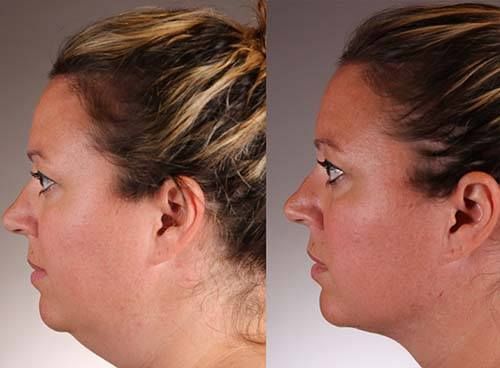
Addressing Inherited Ageing Patterns Through Structural Surgery
Observing the physical changes in our faces as we grow older often reveals a striking resemblance to our parents and grandparents. While inheriting a family’s characteristic eye shape or prominent cheekbones is generally a point of pride, inheriting their specific patterns of facial descent can be a source of intense frustration. Genetics play an outsized role in determining exactly how and where we lose volume, as well as how our underlying tissues respond to gravity over the decades. For many people, the motivation for aesthetic correction arises when they look in the mirror and begin to see the exact same jowls, heavy lower cheeks, or deep folds that their older relatives developed. This creates a highly emotional response, leaving individuals feeling as though their individual identity is being overshadowed by their family tree. The psychological impact of looking older than you feel is significant, often driving the search for a permanent, structural solution.
The architecture of the face relies heavily on a foundational system of muscles and connective tissue known as the superficial musculoaponeurotic system, or SMAS. Your genetic code dictates the inherent strength, thickness, and elasticity of this supportive network. If your mother or father experienced early laxity in their lower face, it is highly probable that your SMAS layer shares that same structural tendency to weaken prematurely. Over time, this underlying support system loosens and descends, bringing the attached fat pads and skin down with it. This biological reality means that surface-level treatments, like expensive creams or mild non-invasive energy devices, are fundamentally incapable of reversing the changes. The problem lies deep within the inherited anatomy, far below the reach of any topical application or minor clinical treatment.
Addressing these deep structural issues requires a sophisticated surgical approach that goes far beyond pulling the skin tightly. A modern surgical intervention focuses directly on that underlying SMAS layer, lifting and repositioning the descended muscle and fat back to their original anatomical coordinates. By reconstructing the deep support system, the surgeon effectively corrects the hereditary drooping at its source, relieving the surface skin of the burden of holding up facial volume. This meticulous process ensures that the tension is carried entirely by the strong muscle layer beneath, rather than the fragile skin on the surface. The result is a profoundly natural restoration that respects your unique facial bone structure while permanently erasing the heavy, descended look you may have inherited.
Patients choosing to undergo a face lift Hawaii are typically looking for an outcome that makes them look like a refreshed version of themselves, rather than a completely different person. A skilled surgeon studies the patient’s facial history, often requesting photographs from their younger years to understand their original anatomy before the genetic ageing patterns took hold. The incisions are carefully planned and placed around the natural contours of the ear and hidden within the hairline, ensuring that any scarring is virtually undetectable to the naked eye. Once the deeper tissues are secured in their higher, more youthful position, the excess skin is gently draped and precisely trimmed, leaving a smooth, firm contour that looks completely authentic and proportionate.
The recovery phase demands a commitment to rest and careful following of all postoperative clinical guidelines. Swelling and bruising are entirely normal physiological responses as the facial tissues adapt to their new, elevated position. During the first few weeks, patients must keep their heads elevated and avoid strenuous physical activity to allow the internal healing process to proceed without any mechanical interruption. The body requires this quiet, dedicated time to establish a new blood supply to the repositioned tissues and for the structural sutures to integrate fully. As the initial swelling gradually subsides, the refined jawline and elevated cheeks begin to emerge, revealing a dramatically improved, yet highly familiar, appearance.
The long-term benefits of correcting these inherited patterns are both physically restorative and deeply psychological. By structurally resetting the facial anatomy, you effectively delay the visual progression of those genetic traits for many years. While the natural ageing process will eventually continue, it does so from a vastly improved baseline, meaning you will always look significantly more youthful than if you had left the hereditary descent untreated. The psychological relief of no longer seeing the physical signs of fatigue that plagued older family members is immense. You reclaim your own individual appearance, confidently projecting an outward energy that accurately matches how vibrant you feel on the inside.
Conclusion
Correcting hereditary patterns of facial descent requires a deep structural approach that respects your natural anatomy. By repositioning the underlying tissues, you can successfully erase inherited jowls and heaviness, revealing a refreshed, authentic version of yourself.
Call to Action
Discuss your specific anatomical concerns with our clinical experts to find the right surgical approach for your unique features.
Appreciate the creator